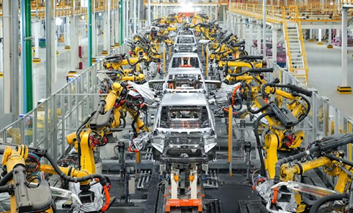
Record 2m cars tipped to move in containers as China outgrows car carrier fleet
According to Veson Nautical, the use of container ships to transport
light vehicles has evolved from a temporary solution into “a structural feature
of the trade” as the market struggles to keep pace with surging Chinese
exports. The maritime software and
analytics company estimates around 2m vehicles will move via alternative
shipping modes in 2026, primarily in containers, doubling last year’s estimate
of more than 1m units. “The most striking consequence of China’s export
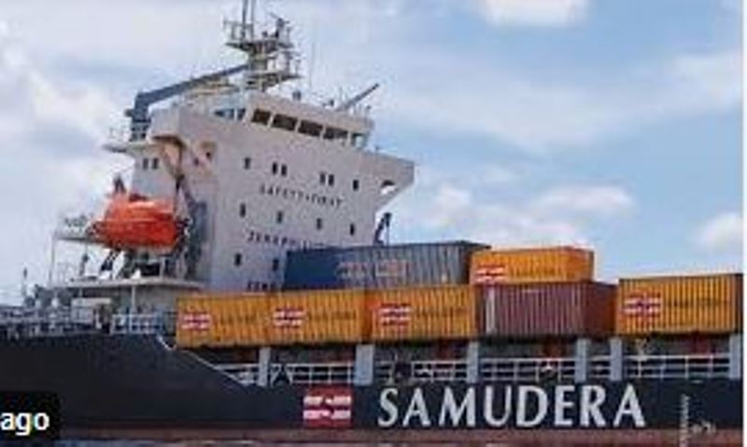
ambitions is the growing use of container vessels as an overflow solution,” Veson
said.
China is projected to export 10m light vehicles this year across all
transport modes, but growth in the global pure car and truck carrier (PCTC)
fleet is expected to reach only 7.6% year-on-year. Much of that additional
capacity will also arrive progressively throughout the year, limiting its
immediate impact.
The mismatch between cargo demand and specialist vessel supply is
forcing exporters to increasingly rely on liner services to move vehicles to
overseas markets. Veson argued the
shift reflects a broader transformation in global automotive trade driven by
China’s emergence as the world’s dominant vehicle exporter. In just five years, China’s annual light
vehicle exports have climbed from 1.6m units in 2021 to a projected 10m units
this year. Momentum continues to accelerate, with 4.06m vehicles exported
during the first five months of 2026, up 63% year-on-year, according to data
from the China Association of Automobile Manufacturers (CAAM).
Related News