




Office Address
123/A, Miranda City Likaoli Prikano, Dope
Phone Number
+0989 7876 9865 9
+(090) 8765 86543 85
Email Address
info@example.com
example.mail@hum.com


123/A, Miranda City Likaoli Prikano, Dope
+0989 7876 9865 9
+(090) 8765 86543 85
info@example.com
example.mail@hum.com
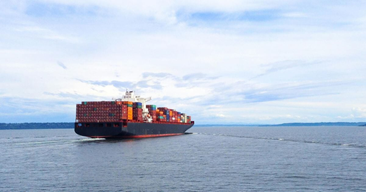
Shipping data from
LSEG showed only four vessels crossed the Strait of Hormuz on Sunday, (19 July)
down from eight the previous day. The
decline follows an earlier slowdown reported by maritime intelligence platform
Kpler, which said confirmed crossings fell to eight vessels on July 16, the
lowest daily total in three weeks.
The latest drop in traffic came as the United States carried out its
eighth consecutive night of attacks against Iranian targets. Kuwait and Bahrain
have also reported increased Iranian aggression, adding to security concerns in
the Gulf.
The Strait of Hormuz handles around one-fifth of
global oil trade, making it a key route for energy supplies. The slowdown has
also affected liquefied natural gas shipping, with no LNG carriers passing
through the strait since Thursday.
In a post on X, Kpler
said traffic through the Strait of Hormuz continued to weaken on July 16, with
seven of the eight confirmed crossings using the Iranian route. It said ship
operators were reassessing security, crew safety and insurance risks. Activity
was evenly split between low-risk and sanctioned vessels, while no shadow fleet
crossings were recorded. According to
earlier reporting, commercial shipping has slowed sharply since the collapse of
a brief June ceasefire and the reimposition of a U.S. naval blockade on Iranian
ports.
Daily vessel movements have reportedly fallen from
a pre-conflict average of 110-160 ships to a fraction of that level. On July
16, only three commodity vessels were reported to have crossed the strategic
waterway.
India’s Directorate
General of Maritime Administration (DGMA) has instructed shipping companies and
recruitment agencies to suspend the deployment of Indian seafarers on voyages
passing through the Strait of Hormuz until further notice. According to earlier reports, the United
States has reinstated its naval blockade targeting Iranian ports. U.S. Central Command (CENTCOM) has
reportedly taken enforcement action against vessels that failed to comply with
the blockade, including firing Hellfire missiles at an oil tanker bound for
Iran’s Kharg Island terminal and boarding multiple vessels in the Gulf of Oman.
The military escalation followed Iranian cruise
missile strikes on commercial supertankers. In response, the United States
launched consecutive nights of airstrikes against Iranian coastal defence
systems, missile launch sites, airports and transport infrastructure in the
southern province of Hormozgan.