



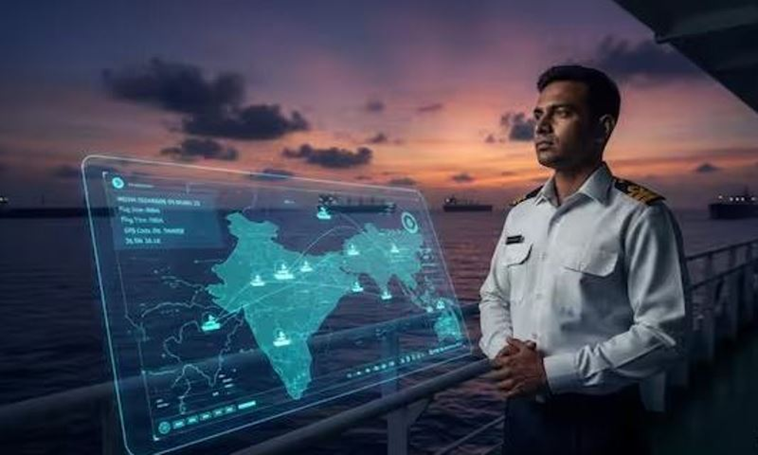
GMA Launches Seafarer Tracking Module on e-NAVIK Portal amid Rising Maritime Security Risks
The initiative comes amid heightened geopolitical
tensions and growing maritime security threats in regions including the Strait
of Hormuz, Persian Gulf, Gulf of Oman, Red Sea, Gulf of Aden, Bab-el-Mandeb,
Black Sea and Somalia. A significant number of Indian seafarers are currently
serving aboard both Indian-flagged and foreign-flagged vessels operating in or
transiting these areas. According to DGMA Circular No. 56 of 2026,
dated September 4, 2026, the new module is intended to facilitate timely
information sharing, coordination and prompt response in the event of maritime
security emergencies. The Seafarer Tracking Module is currently operating in
beta version. Once updated by Recruitment and Placement Service Licensees
(RPSLs) and shipping companies, it will enable the monitoring of Indian
seafarers operating in these regions.
The module will provide a centralised operational view of Indian
seafarers onboard vessels, particularly those operating in high-risk areas. It
will also maintain vessel and seafarer data region-wise, supporting enhanced
maritime safety, seafarer welfare and coordinated emergency response. DGMA has requested RPSLs, shipowners, ship
managers and ship operators to update the module. The information required includes: Vessel identification and voyage-related
data Details of Indian seafarers
onboard RPSL particulars, wherever
applicable and The Directorate has also
clarified that where the exact position of a vessel is not known, it can still
be added to the module by selecting the relevant geographical region from the
drop-down menu, with positional information updated when available.
The launch of the
tracking mechanism comes at a critical time for Indian maritime stakeholders,
providing authorities with a more coordinated mechanism to monitor seafarers
and support emergency response across increasingly volatile shipping routes.

Related News