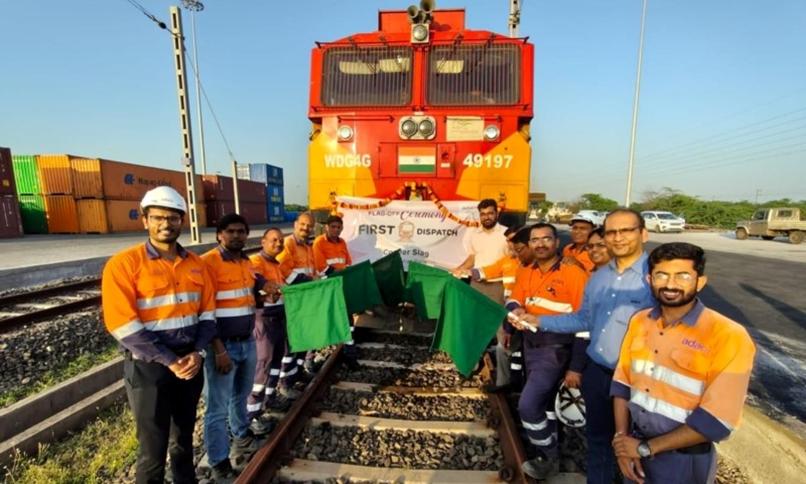
DFCCIL Sets Daily Record with 946 Freight Train Interchanges
The record reflects
the increasing use of the Eastern and Western Dedicated Freight Corridors
(DFCs) for the movement of goods across the country. The corridors are designed
to provide faster and more reliable freight connectivity while reducing
pressure on heavily congested passenger rail routes. Higher interchange volumes indicate
stronger coordination between the dedicated freight corridors and the wider
Indian Railways network. Efficient interchange operations are important for
maintaining freight flows as trains move between different sections of the
national rail system. The DFC network
is supporting the movement of key commodities, including coal, containers,
steel, cement, foodgrains and other industrial cargo. Improved rail
connectivity is helping logistics operators move larger volumes over longer
distances with greater reliability.
DFCCIL has also been focusing on digital monitoring, improved train
operations and better utilisation of corridor capacity to increase freight
throughput.
The latest record
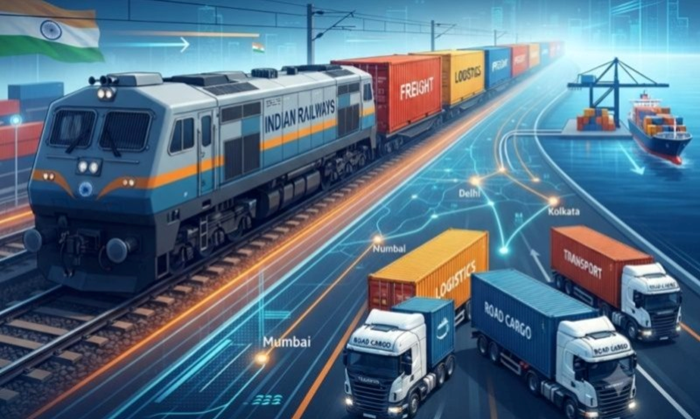
comes as India seeks to shift more freight from road to rail and lower
logistics costs. Continued growth in freight train operations on the dedicated
corridors is expected to strengthen multimodal connectivity between ports,
industrial centres, logistics parks and major consumption markets.

Related News