JSW Electric Trucks Secure 100-Vehicle Order for Cement Freight Corridor
JSW electric trucks will enter
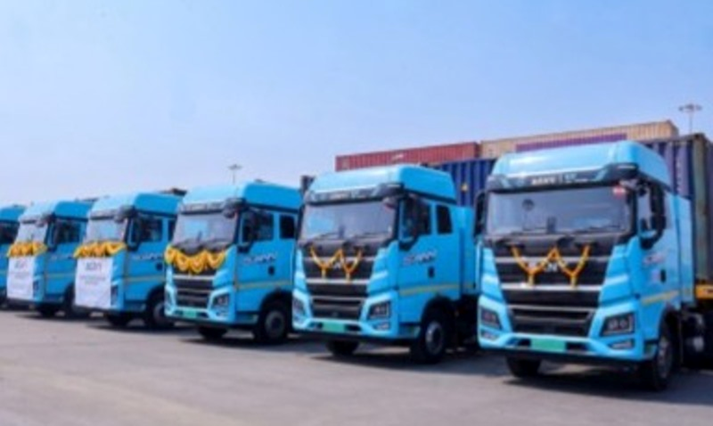
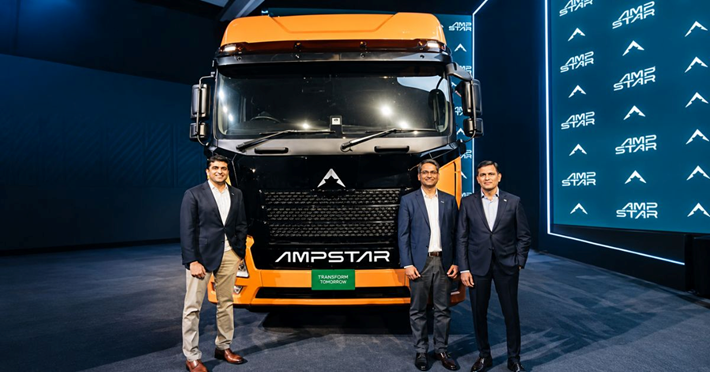
heavy industrial freight operations through an order for 100 AMPSTAR 4×2,
55-tonne tractor trucks, announced on 28 October 2026. The order marks the
first commercial sale under the brand, introduced just over a month
earlier. The prime movers will
transport clinker and slag between Nandyal in Andhra Pradesh and Vijayanagar in
Karnataka. The approximately 330-km corridor is expected to handle 1.25 lakh
tonnes of material monthly. Paradeep
Parivahan will act as the logistics partner, while JSW Eco-Mobility will supply
batteries through a Battery-as-a-Service arrangement. Together, the vehicles,
energy infrastructure and transport operations form an integrated approach to
electrifying the industrial route. An
earlier stock exchange disclosure by Paradeep Parivahan, dated 24 October,
established that the transport agreement runs for 10 years. The agreement involves Paradeep Parivahan,
JSW Cement and JSW Eco-Mobility, covering the deployment of 100 electric trucks
for clinker and slag transportation. Commercial terms beyond the expected cargo
quantity were withheld because of confidentiality obligations. The duration provides an important
commercial foundation for the project. Dedicated electric fleets require
coordination between vehicle availability, energy supply and cargo schedules. A
long-term transport commitment can help the parties plan these investments
around an established industrial requirement.
For the logistics operator, the assignment also creates an opportunity
to build experience in managing electric heavy-duty vehicles over an
inter-state route. JSW Eco-Mobility
plans to establish four battery-swapping stations along the corridor. Under the
proposed arrangement, batteries will be provided separately through the
Battery-as-a-Service model. The
AMPSTAR 4×2 truck delivers peak power of 430 kW and peak torque of 2,600 Nm.
Both the brand’s 4×2 and 6×4 tractor trucks have received certification under
the Central Motor Vehicle Rules from the Automotive Research Association of
India. Battery swapping is intended
to limit time spent waiting for vehicles to recharge. Its effectiveness will
depend on charged battery availability, station reliability and how closely
swapping operations match truck arrival patterns. For cement logistics, these factors matter
because interruptions in raw-material transport can affect production
schedules. The operating model therefore brings energy infrastructure into the
same planning framework as fleet deployment and cargo handling. The new order follows earlier
electric-truck operations on the same industrial connection. A 2025 study available through the e-FAST
India platform documented a JSW Cement pilot that began in November 2023 with
five 55-tonne electric trucks between Nandyal and Vijayanagara. Those vehicles carried clinker on the
outward journey and slag on the return, providing loads in both directions. The
pilot used charging infrastructure at four locations, rather than the
battery-swapping arrangement planned for the new fleet. The study identified assured return cargo
as an important advantage for vehicle utilisation. It also recorded the
importance of maintenance support and spare-parts availability in keeping
electric trucks operational. This
experience provides practical background to the larger deployment, while the
new vehicles and energy model will require their own operational
assessment. JSW Greentech introduced
AMPSTAR on 22 September 2026 as its electric commercial vehicle brand for buses
and trucks. The company outlined an
offering extending beyond vehicle sales to charging infrastructure, financing,
operating solutions and after-sales support. Customers would be offered
outright purchase, leasing and Battery-as-a-Service options, alongside power
configurations ranging from 150 kW to 500 kW.
The cement order gives that strategy a defined industrial application.
Rather than relying solely on individual vehicle purchases, the project
combines a manufacturer, cargo owner, transport operator and battery provider
around recurring freight demand. For
India’s logistics sector, the development illustrates how heavy-truck
electrification can progress through dedicated corridors. Its wider relevance
will depend on operating costs, fleet availability and consistent cargo
movement once the planned deployment is established.
Related News