Shipowners flag flawed EU emissions rules ahead of 2027 carbon tax
The European Dredging Association (EUDA) and seven shipowner and
offshore industry associations have called on European policymakers to revise
emissions reporting rules before offshore vessels of 5,000 GT and above enter
the controversial EU emissions trading system (EU ETS) in 2027. The joint statement, addressed to the
European Parliament and the Council, was also signed by KVNR, the Royal Belgian
Shipowners' Association (KBRV), Armateurs de France, the Norwegian Shipowners'
Association, Svensk Sjöfart, Danish Shipping and the International Marine
Contractors Association (IMCA). The
associations said the monitoring, reporting and verification (MRV) system was
designed mainly for vessels transporting goods or people from one port to
another. Offshore vessels instead
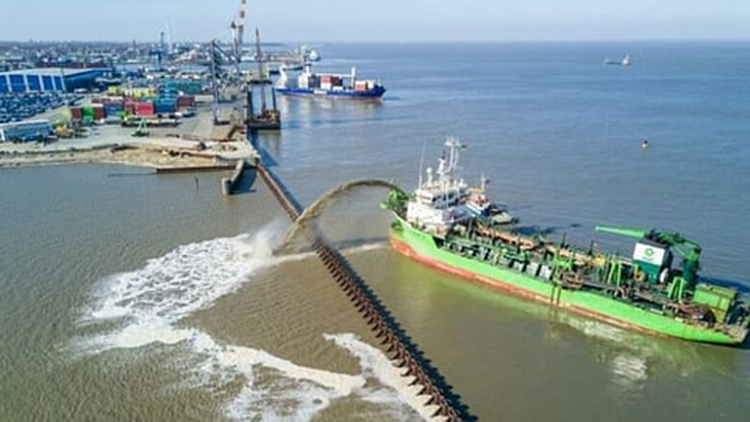
spend extended periods on installation, maintenance, dredging and inspection
work at sea. The group is seeking an
activity-based system that would charge identical offshore operations the same
CO2 costs, whatever port a vessel operates from. They warned that the current
rules could encourage operators to mobilise vessels from non-EU ports.
The associations also want clear definitions for offshore work, work
sites and ports of call, including seabed-related work. They are asking for
reporting based on cargo, passenger and transport-work measures to be replaced
by aggregated reporting. They asked
that ETS surrender obligations for offshore vessels begin only after a revised
MRV framework has proved reliable. "This is a sequencing request, not an
exemption from carbon pricing!" the statement said.
Offshore ships of 400 GT and above have been subject to MRV since
January 1, 2025. Cargo and passenger ships of 5,000 GT and above entered the
ETS in 2024. Port tugs were earlier exempted
from the offshore-vessel monitoring requirements.

Related News