NextWave Seafarers: global partners come together to open doors to careers at sea
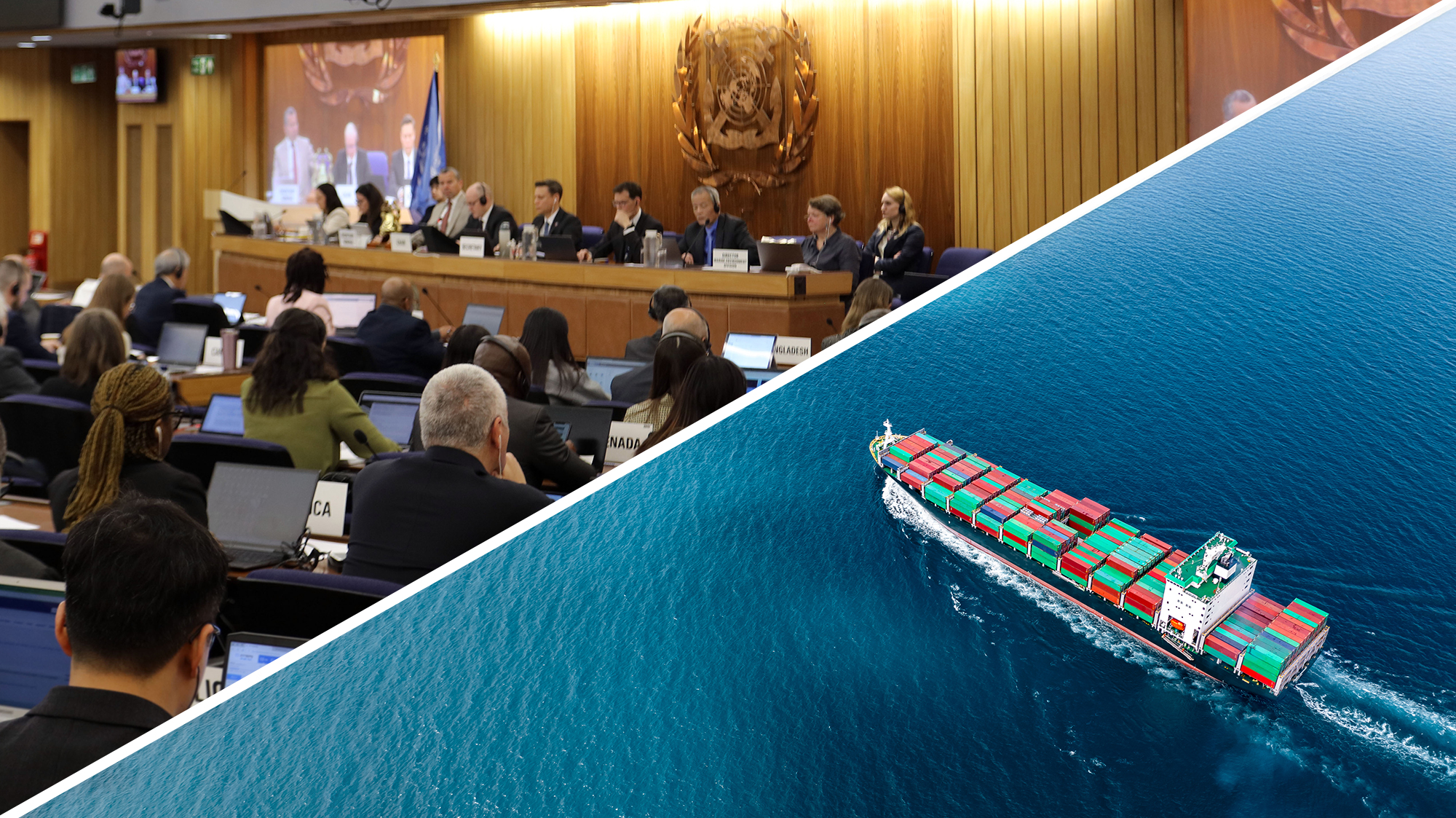
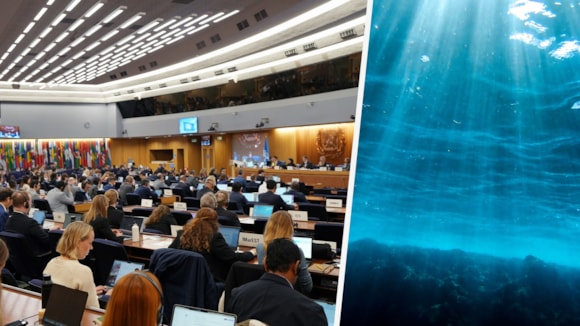
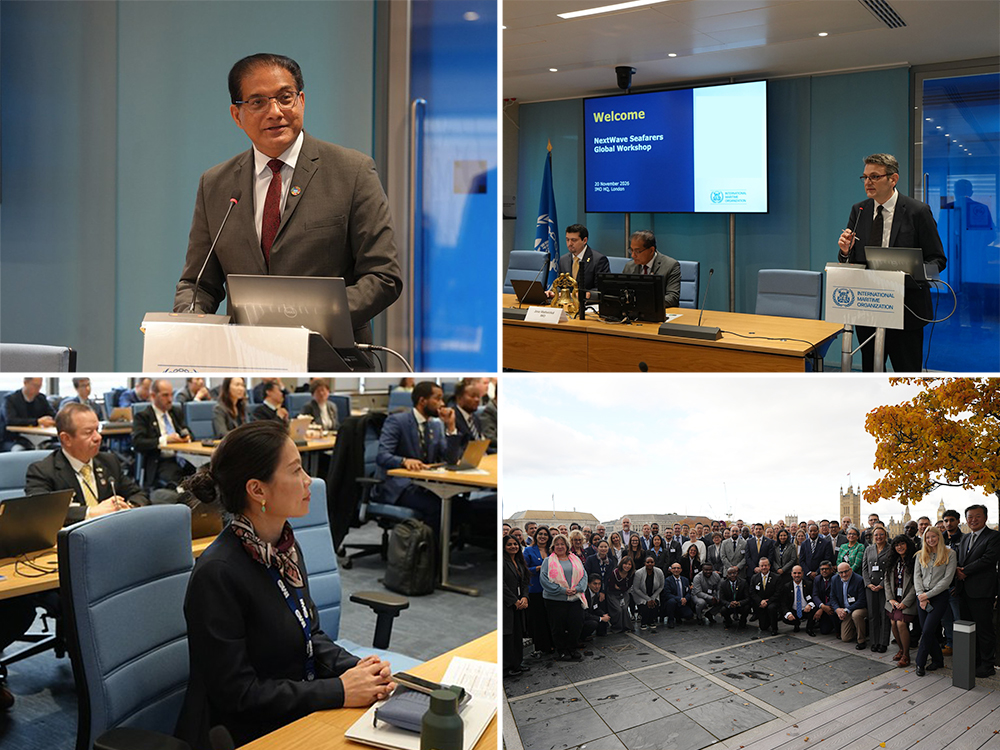
To help address this challenge, IMO convened the NextWave Seafarers (NWS) Global Workshop at its headquarters in London (20 November 2026), bringing together governments, shipping companies, training institutions, industry associations and other maritime partners to share lessons from the initiative's pilot phase and identify how onboard training can be scaled up worldwide.
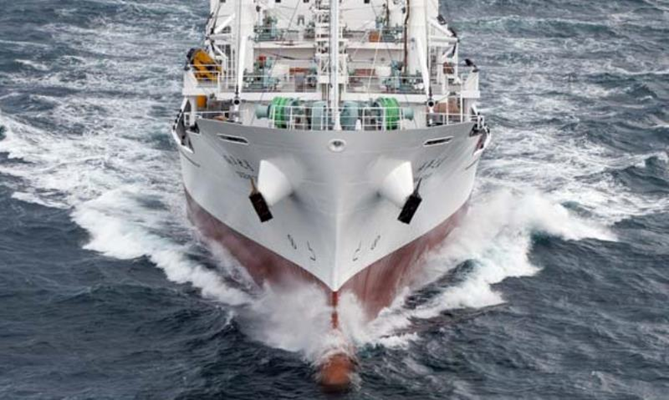
The pilot phase (Phase 1) of the NextWave Seafarers initiative was implemented in partnership with the Kingdom of Saudi Arabia, through its Transport General Authority (TGA), and in collaboration with Bahri, Saudi Arabia's national shipping line. Under Phase 1, 19 cadets from Least Developed Countries and Small Island Developing States completed their onboard training on Bahri vessels. Building on this foundation, the wider initiative brings together multiple partners to support cadets from developing countries, where it can take sometimes years for a berth, in gaining access to the practical training required to enter the profession.
The programme aims to support trainee cadets from developing countries, in particular candidates from Least Developed Countries (LDCs), Small Island Developing States (SIDS) and Landlocked Developing Countries (LLDCs).
Working together to create opportunities at sea
The workshop provided an opportunity to reflect on what has been learned so far and to identify practical solutions for increasing the availability of training berths. Discussions focused on barriers that prevent shipping companies from offering more onboard placements, examples of successful approaches already being implemented, and the role that collective action can play in creating more opportunities for future seafarers.
Participants heard directly from cadets, including a video testimony from a young woman cadet from Togo who trained under the pilot phase, describing how the Nextwave opportunity turned her ambition of a career at sea into reality. Speakers stressed that cadets' mental health and well-being on board are essential to keeping young people in the profession, while industry representatives highlighted practical obstacles such as visa restrictions affecting cadet placements and crew changes.
Participants also explored a global partnership model designed to encourage wider industry engagement and support the long-term growth of the initiative.
The immediate goal is to open up more training berths for cadets. But the ambition goes further: to establish a sustainable global partnership that enables governments, shipping companies and maritime stakeholders to invest collectively in the maritime workforce of the future.
More than 80 participants from over 25 countries took part in the workshop, helping to build a clearer picture of the challenges facing cadet training, identify the foundations of a cooperative global mechanism, and encourage new partners to contribute to future efforts.
The workshop reinforced a shared commitment to ensuring that talented young people have the opportunity to gain the experience they need to succeed at sea.
The outcomes of the workshop will inform the development of a global scale-up model for the NextWave Seafarers initiative.
Related News