

Office Address
123/A, Miranda City Likaoli Prikano, Dope
Phone Number
+0989 7876 9865 9
+(090) 8765 86543 85
Email Address
info@example.com
example.mail@hum.com


123/A, Miranda City Likaoli Prikano, Dope
+0989 7876 9865 9
+(090) 8765 86543 85
info@example.com
example.mail@hum.com
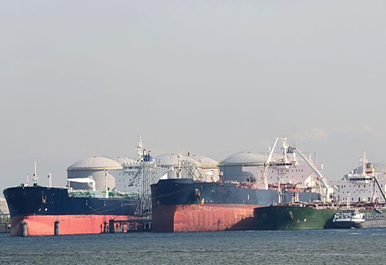
Qatar’s Energy
Minister Saad al-Kaabi said the conflict could slow global economic growth and
push energy prices higher if it continues.
The warning comes as missile and drone attacks linked to the conflict
have started affecting energy infrastructure and maritime traffic in the Gulf
region.
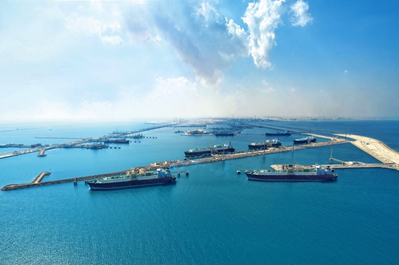
Qatar temporarily halted liquefied natural gas
(LNG) production on Monday after Iran launched missile and drone attacks
targeting Gulf countries.
The strikes came in
response to military actions by the United States and Israel that began over
the weekend.
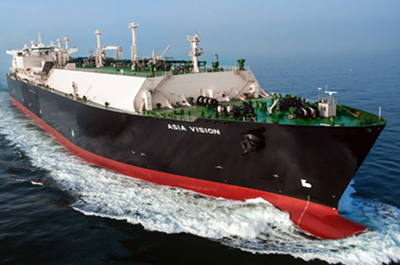
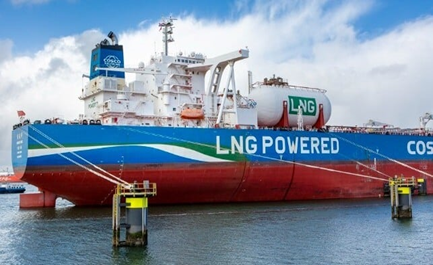
Qatar is one of the world’s largest LNG exporters,
accounting for about 20% of global LNG supply. Its shipments are crucial for energy
markets in Asia and Europe.
Al-Kaabi told the Financial Times that if the
conflict continues for several weeks, Gulf producers may have to suspend
exports.
He said companies in the region could soon invoke
force majeure, a clause that allows them to suspend supply obligations during
extraordinary events.
According to the
minister, exporters across the Gulf may have no choice but to declare force
majeure if the situation continues to disrupt operations and shipping.
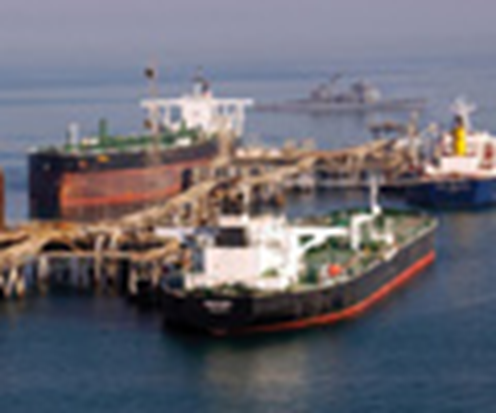
The conflict is also
affecting maritime traffic through the Strait of Hormuz, one of the world’s
most important oil and gas shipping routes.
The narrow passage connects Gulf producers with
global markets through the Gulf of Oman and the Arabian Sea. A large share of
the world’s crude oil and LNG shipments passes through this route.
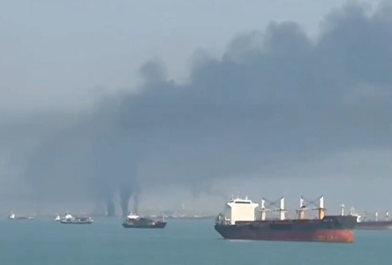
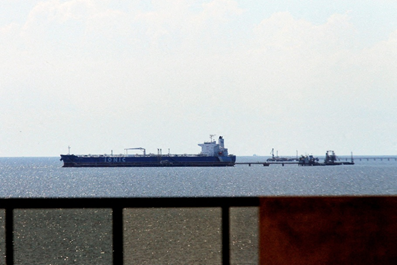
Energy analysts say tanker traffic through the
strait has already declined because of the security situation.
Thijs Van de Graaf, an
energy fellow at the Brussels Institute for Geopolitics, said producers relying
on this route may have to reduce or stop production. He noted that Iraq has
already shut production at two to three major oil fields due to export
disruptions. He also pointed out
that oil wells cannot be turned on and off quickly, meaning long shutdowns
could affect global supply for an extended period. Al-Kaabi warned that the conflict could
cause serious disruptions in global energy markets. He said crude oil prices
could rise to about $150 per barrel within two to three weeks if tankers cannot
safely pass through the Strait of Hormuz.
Higher energy prices could affect manufacturing and supply chains around
the world.
The minister added
that shortages of some products could occur and global GDP growth could slow if
the conflict continues for several weeks.
Even if the conflict ends soon, restoring normal LNG deliveries may take
time. Al-Kaabi said it could take weeks to months for Qatar’s shipments to
return to normal. The disruption
could also delay QatarEnergy’s North Field expansion project, one of the
world’s largest LNG development projects.
The project was expected to begin production in mid-2026, but delays are
now possible. Once completed, the North Field project will significantly increase
Qatar’s LNG export capacity.