Maritime Safety Committee (MSC 111): Key outcomes on autonomous ships, GHG safety and situation in the Strait of Hormuz
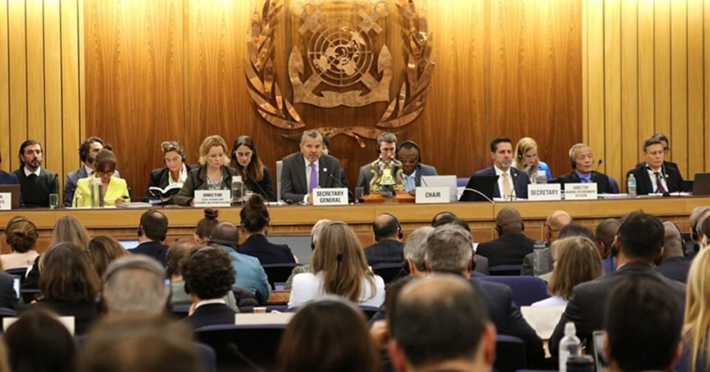
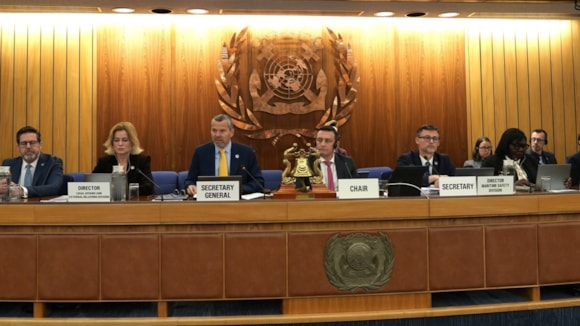
The International Maritime Organization's Maritime Safety Committee met
for its 111th session from 13 to 22 May 2026 in London, United Kingdom. The
meeting was chaired by Mr. Theofilos Mozas of Greece. Key outcomes are outlined
below, with full meeting summary to follow.
First global code for autonomous ships
IMO adopted a new International Code of Safety for
Maritime Autonomous Surface Ships (MASS Code) to support the safe integration
of AI-enabled and remotely operated commercial ships into global shipping.
The MASS Code sets out a comprehensive, goal-based
framework to ensure that remotely controlled or autonomous ships are designed
and operated to a level of safety, security and environmental protection that
is expected of a conventional ship. They will also be required to comply with
the International Convention for the Safety of Life at Sea (SOLAS) and other applicable mandatory IMO
instruments.The MASS Code introduces new requirements for the design, approval
and operation of these ships, including in key areas such as navigation,
connectivity, remote operations, fire safety, and search and rescue.
The Code applies to cargo ships* and will take
effect from 1 July 2026.
Situation in the
Strait of Hormuz
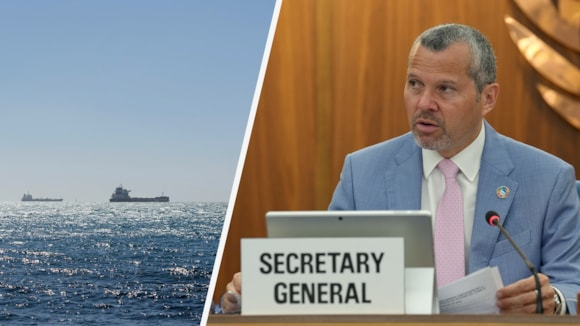
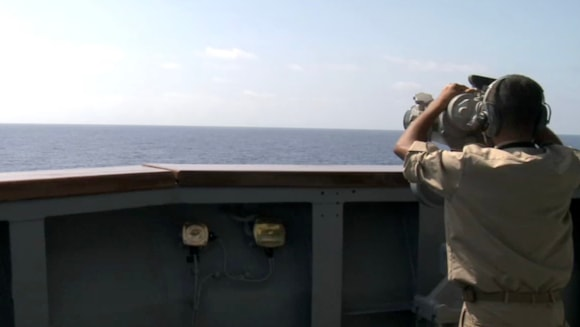
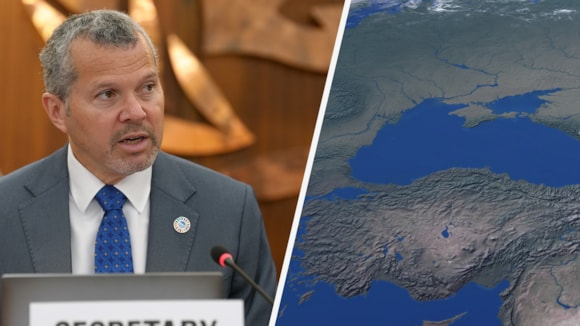
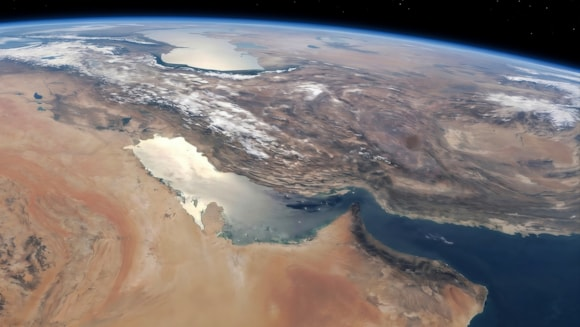
The Committee adopted a resolution requesting the
support of IMO Member States for the Secretary-General's ongoing efforts to
facilitate the safe evacuation of ships and seafarers trapped in the Persian
Gulf.The Committee requested the Secretary-General to closely monitor the
situation and provide regular updates to Member States and relevant IMO bodies.
Guidelines for
ships using alternative fuels
The Committee continued work on the safety
regulatory framework for ships using new technologies and alternative fuels. It
approved new Interim guidelines for use of ammonia cargo as fuel, to support
the safe design, construction and operation of ships carrying and using ammonia
as fuel.
Improving security
of ship communications through VDES
The Committee adopted a resolution to introduce the
VHF data exchange system (VDES) into the IMO regulatory framework, as an
alternative to the current AIS tracking system current required of ships. The
new regulations are expected to enter into force on 1 January 2028.
VDES is a more advanced version of AIS that allows
ships and coastal authorities to send and receive more data, more quickly and
more securely. VDES is designed to make ship tracking more secure by adding
authentication, helping to reduce the risk of spoofing.
Related News