




Office Address
123/A, Miranda City Likaoli Prikano, Dope
Phone Number
+0989 7876 9865 9
+(090) 8765 86543 85
Email Address
info@example.com
example.mail@hum.com


123/A, Miranda City Likaoli Prikano, Dope
+0989 7876 9865 9
+(090) 8765 86543 85
info@example.com
example.mail@hum.com
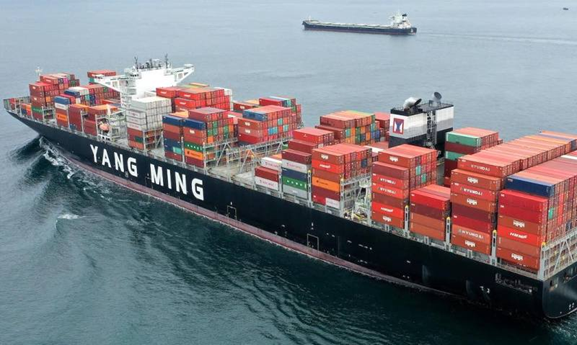
The carrier posted
Q1 2026 consolidated revenue of NT$38.66 billion (US$1.22 billion), down around
15% year-on-year, while net profit plunged 81.5% to NT$1.44 billion. The
decline was attributed to softer freight rates compared with last year and
operational disruptions linked to the ongoing Middle East crisis, which has
forced carriers to adjust vessel deployment and routing. Despite the earnings pressure, Yang Ming
said its long-term fleet renewal and expansion plans remain on track. The
company’s board has approved a container renewal programme aimed at introducing
new self-owned containers to improve operational efficiency, reduce leasing and
maintenance costs, and strengthen service reliability. The line is also pursuing broader capacity
growth initiatives as part of its strategy to expand market share. Earlier this
year, Yang Ming outlined ambitions to grow its fleet capacity to 1.25 million
TEU by 2032 through new vessel acquisitions, including LNG dual-fuel
containerships designed to support decarbonisation goals and replace ageing
tonnage.
Looking ahead, Yang Ming said geopolitical
uncertainty, evolving trade policies and continued market volatility remain key
concerns for the global liner sector. However, the carrier expects post-Labour
Day cargo recovery and peak-season demand to support volumes in the coming
months. The company plans to focus on improving slot utilisation, schedule
reliability and cargo sourcing while maintaining flexible fleet deployment.