




Office Address
123/A, Miranda City Likaoli Prikano, Dope
Phone Number
+0989 7876 9865 9
+(090) 8765 86543 85
Email Address
info@example.com
example.mail@hum.com


123/A, Miranda City Likaoli Prikano, Dope
+0989 7876 9865 9
+(090) 8765 86543 85
info@example.com
example.mail@hum.com
Maritime intelligence firm Windward reported that the Indian-flagged
cargo vessel MSV Haji Ali sank following a suspected drone
attack in the volatile Strait of Hormuz region. The 57-meter vessel was
traveling from the Port of Berbera in Somalia to the Port of Sharjah in the
United Arab Emirates with a load of about 4,000 sheep and goats when the attack
occurred. The attack triggered a fire that caused the ship to sink, with all 14
crew members rescued by the Oman Coast Guard.
According to Windward,
the vessel was operating with its automatic identification system switched off
at the time of the incident.
Somalia, which has one of the largest livestock populations in Africa,
is a leading exporter of live animals to the Middle East. In recent years, the
country has taken advantage of Australia's ban on live exports and the war in
Sudan to increase its control of the lucrative Middle East market, exporting
between four million and six million head of livestock annually and raking in
more than $1 billion last year. Livestock exports to the Middle East reach
peak levels in May, when the Muslim world gears up to
mark Eid-ul-Adha (Festival of Sacrifice).
Indian authorities, through the Ministry of
External Affairs, described the attack on MSV Haji Ali as "unacceptable."
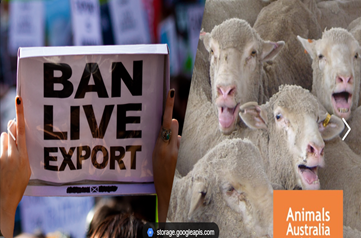
Animal welfare organizations are using the event to highlight
their push for a total ban on seaborne livestock exports.
According to World Animal Protection (WAP), the
sinking of the vessel is a reminder of the risks of the live animal trade.
The animals were confined in crowded conditions typical of live export journeys
and were left to die when the vessel was attacked and sank. "These
animals endured unimaginable suffering in their final moments — confined and
unable to escape. This, sadly, is not an isolated accident. Every year,
millions of animals are transported long distances across oceans in overcrowded
and stressful conditions, where they are exposed to extreme heat, disease,
injury, exhaustion, and death. Live export should no longer be an option,"
said Michelle Baxter Wickham, Head of Food Systems Strategy at WAP.
The NGO highlighted that transporting animals over
long distances by sea exposes them to a range of serious welfare risks,
specifically extreme heat, overcrowding, exhaustion and disease. Routes to the
Middle East can be especially dangerous, with high temperatures putting animals
under severe stress.
Owing to the long and
grueling sea voyages that animals have to endure, WAP, along with other
organizations, is calling on governments to end live export and invest in
alternatives that do not rely on transporting animals over long distances.
Australia is among countries that have banned seaborne livestock exports and
intends to phase out live sheep exports by sea by May 2028. Other countries
that have banned the trade include New Zealand and Britain.