

Office Address
123/A, Miranda City Likaoli Prikano, Dope
Phone Number
+0989 7876 9865 9
+(090) 8765 86543 85
Email Address
info@example.com
example.mail@hum.com


123/A, Miranda City Likaoli Prikano, Dope
+0989 7876 9865 9
+(090) 8765 86543 85
info@example.com
example.mail@hum.com
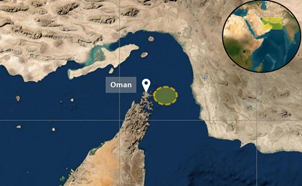
The Strait of Hormuz, a global maritime chokepoint
that facilitates nearly 20% of the world’s seaborne oil trade, has been a
source of volatility following reports of potential Iranian regulation of
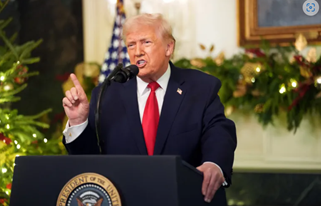
traffic. Seeking to calm industry fears, President Trump took to Truth Social
to relay the commitment from Tehran. “Iran has informed us that there will be ‘NO TOLLS, NO INSURANCE COSTS,
& NO OTHER CHARGES OF ANY KIND’ on commercial
shipping,” the President
stated. He underscored the gravity of the pledge with a clear diplomatic
ultimatum: “If this is
false information, negotiations would end, immediately!”
President Trump also utilised the platform to address
mounting domestic speculation regarding the status of frozen Iranian capital.
Denying that any “liquid funds” or cash had been transferred or released to the
Iranian government, he outlined a new, tightly controlled mechanism for
handling the billions in assets held under U.S. jurisdiction. According to the administration’s plan,
frozen funds will be used exclusively to bankroll the procurement of American
agricultural commodities, specifically corn, wheat, and soybeans, which are
intended for the Iranian public. “We
will be releasing some of their money, which is totally controlled by us, to
our farmers and ranchers,” Trump explained, noting that the supplies are
“desperately needed” within Iran. The framework for this delicate financial manoeuvre was detailed by US
Vice President JD Vance following high-level discussions in Burgenstock,
Switzerland. The mechanism, conceptualised by Jared Kushner, involves a
collaborative oversight process with Qatar to prevent the potential diversion
of funds. “We wanted to make sure that we set
up a process where if we ever unfreeze Iranian assets, we can ensure that money
goes to help the people of Iran and not to fund terrorism,” Vance
stated. Under this system, any release of capital requires joint clearance from
both US and Qatari authorities, ensuring that the liquidity is strictly tied to
humanitarian purchases rather than state-backed military or militant
operations. While the administration’s rhetoric signals a distinct approach, the
structural logic of the plan mirrors the humanitarian carve-outs established
under previous administrations, such as the 2023 agreement that directed frozen
assets in South Korea toward food and medical supplies. By framing the current
initiative as a benefit to American agricultural exporters while addressing
humanitarian needs in Iran, the Trump administration seeks to bypass the
political polarisation often associated with sanctions relief.