


Office Address
123/A, Miranda City Likaoli Prikano, Dope
Phone Number
+0989 7876 9865 9
+(090) 8765 86543 85
Email Address
info@example.com
example.mail@hum.com


123/A, Miranda City Likaoli Prikano, Dope
+0989 7876 9865 9
+(090) 8765 86543 85
info@example.com
example.mail@hum.com
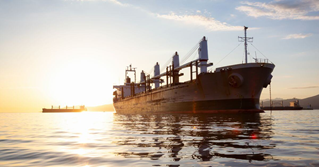
The legislation seeks to protect the health of port
and coastal communities, and help the U.S. reduce its climate pollution through
the development and use of new technologies— such as zero-emission ships,
cleaner fuels, and better port equipment— the program seeks to protect the
health of port and coastal communities, and help the U.S. reduce its climate
pollution. The Next Generation Shipping Act would: Establish a $1 billion annual
program at MARAD to support the
research, design, development, demonstration, deployment, and commercialization
of next-generation maritime technologies;invest in zero-emission vessels, clean
alternative fuel vessels, shore power, charging and fueling infrastructure,
vessel efficiency technologies, and related maritime innovations;strengthen
domestic supply chains and promote American leadership in maritime technology
development;support workforce development and training programs to prepare
workers for careers in next-generation maritime industries and encourage
public-private partnerships and collaboration among industry, ports, labor
organizations, academic institutions, and government agencies. The bill’s supporters say it would also help
the U.S. keep up with countries in Europe and Asia that are already investing
heavily in clean shipping technology. It would support American businesses,
workers, and new innovation, create jobs, while also strengthening the U.S.
economy. “Maritime commerce is a key
economic driver in our state, with the Port of Baltimore alone supporting more
than more than 273,000 good-paying jobs in Maryland,” said Senator Van Hollen.
“That’s why we’re fighting for resources to strengthen U.S. competitiveness in
the global shipping industry by modernizing our nation’s maritime economy and
building the maritime workforce of the future. With this legislation, we begin
to meet the clean shipping demands of today and tomorrow.” “Shipping plays a
vital role in our economy, and at the Ports of Los Angeles and Long Beach, but
it should not come at the expense of the health of our families,” said
Congressman Barragán. “The Next Generation Shipping Act is about investing in
cleaner technologies, supporting American jobs, making sure the United States
leads in the future of maritime innovation, all while making sure we do so in a
way that preserves public health. By acting now, we can protect our
communities, strengthen our economy, and build a more sustainable shipping
industry for generations to come.” “Maritime innovation is essential to
America’s economic and environmental future, and the Next Generation Shipping
Act delivers the bold, forward-looking investment needed to keep our nation
competitive. By advancing zero-emission vessels, modernizing port infrastructure,
and strengthening domestic shipbuilding, this legislation charts a cleaner,
smarter course for the shipping industry. It will reduce harmful pollution in
port communities, create high-quality jobs, and ensure American workers and
manufacturers lead the global transition to next-generation maritime
technology. I’m proud to support this effort to secure a more sustainable and
prosperous future for our coastal communities and our country,” said
Congressman Carter.