




Office Address
123/A, Miranda City Likaoli Prikano, Dope
Phone Number
+0989 7876 9865 9
+(090) 8765 86543 85
Email Address
info@example.com
example.mail@hum.com


123/A, Miranda City Likaoli Prikano, Dope
+0989 7876 9865 9
+(090) 8765 86543 85
info@example.com
example.mail@hum.com
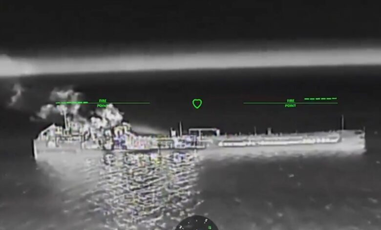
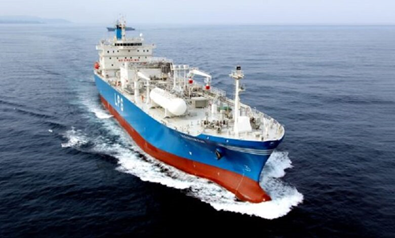
The UKMTO said that a tanker had been
struck by an unknown projectile in the Strait of Hormuz and that according to
the company CSO the crew had abandoned the vessel and were currently in a
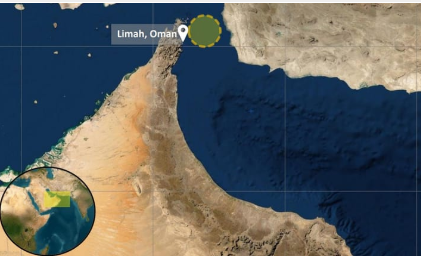
lifeboat. There were no details of damage to the tanker from the attack. The attack took place 8nm northeast of
Limah, Oman and was reported at 20:10 hrs UTC on 20 July. UKMTO said the
authorities were investigating and there was no environmental impact.
Earlier at 23:30 hrs UTC on 19 July a vessel’s steering gear was
reported to have been damaged after it was struck by unknown projectile 17nm
east of Dibba in the UAE. All the crew of the ship were reported to be safe and
there was no environmental impact.
According to reports the vessel involved was the Dynacom Tankers VLCC Acheloos
making it the second tanker from the George Procopiou controlled company to be
attacked in the space of 24 hours.
The Dynacom product tanker Kavomaleas was hit in the Strait of
Hormuz on 19 July which caused a fire on board and the crew abandoning ship.
Meanwhile the US continued to carry out
strikes designed to degrade the Iranian’s ability to attack commercial shipping
in the Strait of Hormuz. US Central
Command (Centcom) said the latest round of strikes on 20 July hit, “Iranian
military command centers, maritime capabilities, missile and drone launch
sites, and air defense systems to degrade Iran's ability to continue attacking
commercial vessels flowing through the Strait of Hormuz”. US Centcom said that transits of commercial vessels through the Strait
of Hormuz continued and US forces had facilitated around 900 vessel crossings
of the waterway since early May. However, transit numbers have fallen off
sharply since the MoU between the US and Iran collapsed and hostilities in the
region ramped up again. According to an update issued on 20 July by Clarksons
Research Head of Global Research Steven Gordon were back to 90% below
pre-conflict levels at an average of 12 crossing per day over the previous five
days.
The vessels making transits were generally smaller in size and down
more than 95% in tonnage terms compared to pre-conflict on 28 February. Crude
oil flows have fallen to average of 1.5 million barrels per day (bpd) moving
through the Strait compared to 10 million bpd in early July. Gordon said that
no “mainstream” VLGCs had left the Gulf in 10 days while no laden Qatari LNG
carriers appear to have transited the Strait in nearly two weeks.