



South Korean Navy Tests AI ‘Officer’ And Unmanned Vessels In First Mine-Sweeping Trial
The exercise was held
at a naval base in Busan and was jointly led by South Korean defence company
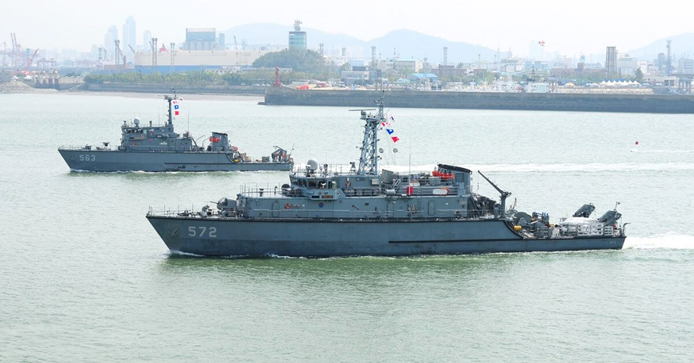
Hanwha Systems, the Navy said on Monday. It involved the Navy’s 730-ton Ongjin
minesweeper, spy drones, two unmanned surface vehicles (USVs), and one
autonomous underwater vehicle developed by Hanwha. The trial was based on a simulated situation
where Busan port had been blocked by enemy mines. The Navy tested how crewed
ships, unmanned vessels and AI systems could work together to locate and respond
to underwater threats.
The mission was
managed with the support of an “AI staff officer” system, which analysed
weather and sea current conditions and provided guidance to the commander of
the Ongjin vessel and the unmanned ships.
Using information from
the AI system, the Ongjin minesweeper and the unmanned vessels created search
areas to find simulated sea mines. At the same time, spy drones monitored the
operational environment around the port.
The Navy said the exercise showed that combining
AI-supported missions with manned and unmanned systems could support future
naval operations. Hanwha’s unmanned
surface vehicles used in the trial are not currently designed for mine-sweeping
operations. However, they were included in the exercise as platforms that could
be upgraded with mine-clearing capabilities in the future, the Navy said. The trial is part of South Korea’s efforts
to develop future naval capabilities using artificial intelligence, autonomous
vessels and unmanned systems.
Separately, South Korea’s
state arms procurement agency earlier in July signed an agreement with Hanwha
Ocean Co. to begin detailed planning and construction of the lead ship under
the Korea Destroyer Next Generation (KDDX) programme. The Defence Acquisition Program Administration
(DAPA) said the agreement covers the planning and construction of the first
KDDX destroyer, with the lead ship expected to be delivered to the Navy by
2032. The Navy has not announced
further details on future AI-based mine-sweeping trials, but said the exercise
demonstrated the potential of combining human command with unmanned maritime
systems.
Related News