



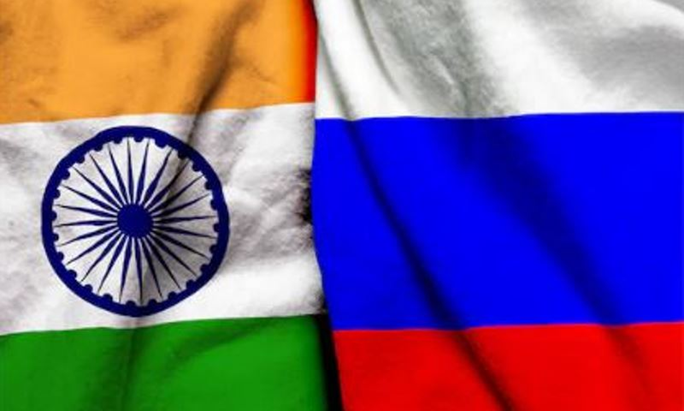
Russia, India Prepare Logistics Corridors Ahead of FTA Trade Growth
Officials and
industry representatives from both countries are exploring multimodal transport
routes that combine maritime, rail and road connectivity to improve cargo
movement, reduce transit times and lower logistics costs. The initiative is
aimed at ensuring that infrastructure keeps pace with the expected increase in
trade volumes once the FTA comes into effect. A key focus is the International
North-South Transport Corridor (INSTC), which links India with Russia through
Iran and the Caspian Sea. The corridor is expected to play a central role in
facilitating faster movement of containers, bulk cargo and other goods between
the two markets while providing an alternative to longer traditional shipping
routes via the Suez Canal. Both sides
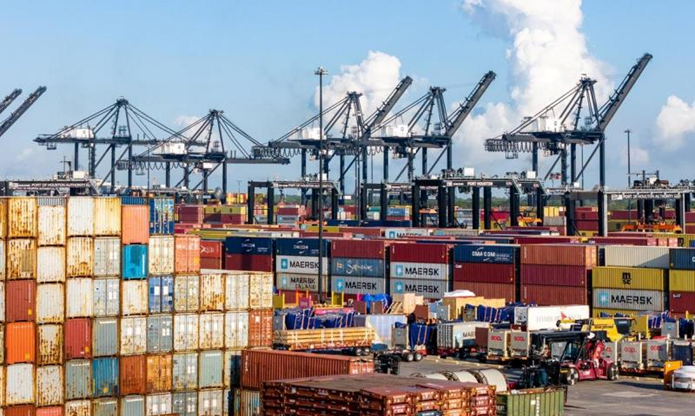
are also assessing additional maritime services, inland logistics hubs and
customs cooperation measures to improve supply chain efficiency. Enhanced port
connectivity, streamlined documentation and greater coordination among
logistics providers are expected to support smoother cross-border trade. The proposed India–EAEU FTA, currently under discussion, is expected to
reduce tariffs on a wide range of products and expand market access for
exporters. Trade officials believe the agreement could significantly boost
bilateral commerce, creating stronger demand for efficient freight and
logistics services. India and Russia have witnessed growing
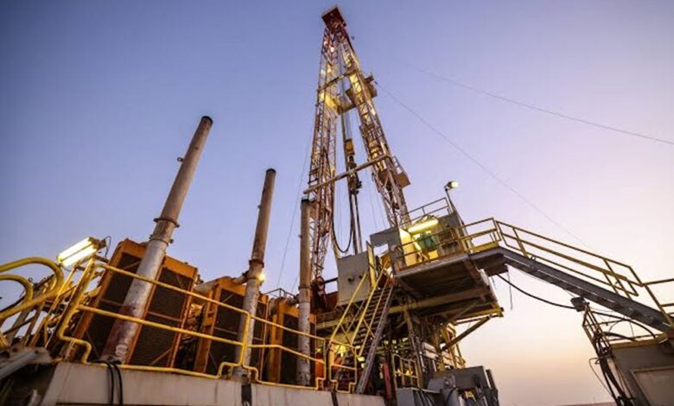
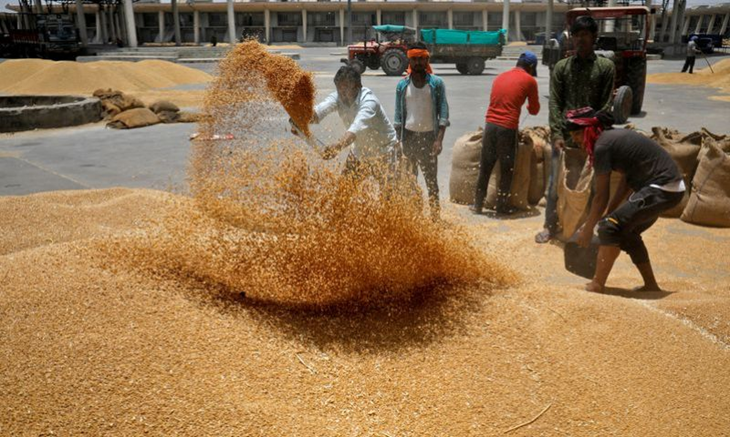
trade ties in recent years, driven largely by increased energy shipments,
fertilizers, pharmaceuticals, engineering goods and agricultural products. The
planned logistics enhancements are intended to support this expanding trade
relationship while improving resilience against global supply chain
disruptions.
Industry
stakeholders believe that developing dedicated transport corridors ahead of the
FTA will enable businesses to capitalize on new trade opportunities immediately
after the agreement is implemented, positioning both countries for sustained
growth in bilateral commerce.
Related News