


UAE Accuses Iran of ‘Piracy’ After Missile Attack on ADNOC Vessel
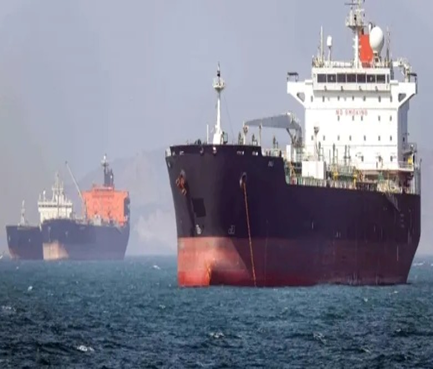
ADNOC said on Saturday (8 Aug) that one of its vessels
had been targetedby a missile early in the day, but that the situation was
under control. No injuries were reported, and neither ADNOC nor the UAE
authorities provided details about the vessel, its cargo or the extent of any
damage. The UAE Foreign Ministry
condemned what it described as a “hostile Iranian attack” on the ADNOC vessel,
saying the incident violated a United Nations Security Council resolution
protecting freedom of navigation. The
ministry also accused Iran’s Islamic Revolutionary Guard Corps of targeting
commercial shipping and using the strategic waterway as a means of exerting
economic pressure. It urged Tehran to stop the attacks and fully and unconditionally reopen
the Strait of Hormuz, a crucial global energy route. Before the US-Israeli attack on Iran on
February 28, about one-fifth of the world’s oil and liquefied natural gas
shipments passed through the narrow waterway between Iran and Oman. Shipping
through the strait has been repeatedly disrupted since the conflict began,
driving up freight rates and heightening security concerns. Iran’s Revolutionary Guards had often
threatened to take action against vessels using the strait if they are linked
to countries considered hostile to Tehran or fail to comply with Iranian directives. ADNOC said on Friday that it had been
significantly affected by the “unprovoked attacks” on its personnel and assets,
while continuing to meet customer demand despite an “exceptionally challenging
environment”.
The company said 15
of its vessels had been struck by missiles and drones while passing through the
strait since the conflict began, including three attacks last week. One crew
member was killed and 20 others injured, according to ADNOC.
ADNOC, the Abu Dhabi state oil company, is one of the
world’s largest energy producers, exporting crude oil, natural gas and refined
petroleum products to markets around the globe.
Related News