


India amended FDI rules to boost e-commerce exports, open global markets for small businesses: PiyushGoyal
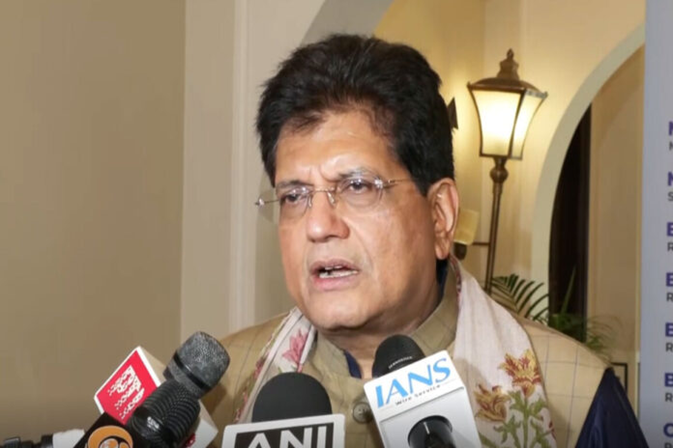
Speaking to the media following
the BRICS Trade and Industry Ministers’
Meeting in Jaipur, Goyal said the changes would facilitate e-commerce
trade in products including handlooms, handicrafts, textiles, footwear and food
products. “We have recently amended FDI regulations to facilitate
large-scale e-commerce trade for products such as handlooms, handicrafts,
textiles, footwear, and various everyday items, including food products, that
consumers typically purchase online. This will benefit our farmers and fishermen,”
Goyal said. His remarks came as
BRICS ministers discussed ways to strengthen trade, investment, financing for
micro, small and medium enterprises (MSMEs), digital commerce and
industrial cooperation among member countries.
Shri Goyal said that India, which holds the BRICS
presidency this year, hosted a meeting of industry ministers on Thursday, where
discussions focused on increasing investment and creating employment opportunities
through emerging technologies.“There were extensive discussions on creating new
jobs and opportunities through emerging technologies like artificial
intelligence and quantum computing, and on how these technologies could
accelerate economic and industrial progress across all BRICS nations,” he said,
adding that “constructive decisions were reached”. The
Commerce Ministers’ meeting on Friday focused on trade flows among BRICS
countries and improving access to finance and investment for smaller businesses.
“The agenda included coordinating our bilateral trade, specifically imports
and exports, and ensuring adequate financing and investment for MSMEs through
banks and other channels,”Goyal said. He added that ministers also
discussed making trade processes paperless and simplifying systems through
greater use of digital technologies.
Shri Goyal said India wants to use e-commerce as a channel to connect
products made by small businesses and artisans with significantly larger
markets. “India is keen to harness the power of e-commerce to connect
small-scale products with vast markets. Many nations have already generated
massive trade volumes through this channel, and India is now striving to ensure
that our micro and small enterprises and traders gain similar opportunities,”
he said.
Referring to National Handloom Day, observed on August 7, Goyal
said the initiative could also support traditional and labour-intensive
sectors.
“Today, as we observe National Handloom Day, we recognize that this
initiative will also benefit the Khadi and cottage industries, the textile
sector, and leather artisans,” he said.
Related News