US sends seized shadow fleet tankers for scrap
The move represents the next stage of Washington’s increasingly physical
approach to sanctions enforcement. US military and Coast Guard forces seized
seven Venezuela-linked ships in international waters during the opening weeks
of this year, including the Russian-flagged Marinera, formerly Bella 1,
following an extraordinary pursuit across the Atlantic. Ship recycling giant GMS subsequently
approached Washington seeking licences to acquire seized ships for demolition.
The Dubai-headquartered cash buyer argued that scrapping offered governments a
practical way of permanently removing old shadow tonnage while reducing the
environmental threat posed by uninsured and poorly maintained vessels.
That argument has increasingly gained traction. In May, the US Treasury
granted GMS licences to purchase and recycle four separately sanctioned ships,
the first approvals of their kind and an important precedent for dealing with
the rapidly expanding pool of blacklisted tonnage. Washington has also discovered just how expensive
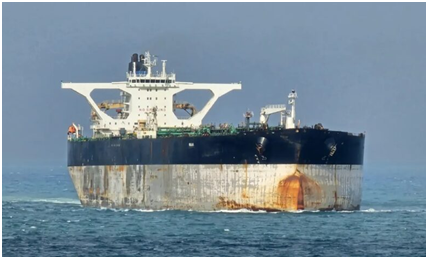
vessel seizures can become. The US spent much more maintaining the 2005-built
VLCC Skipper, seized last December, than its scrap value.
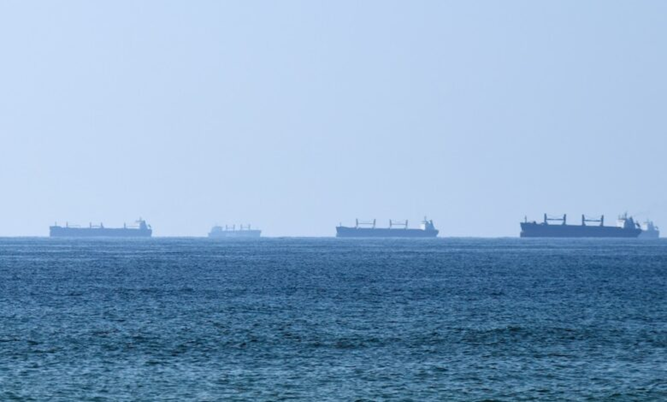
GMS estimates it could remove more than 100 shadow ships annually if a
workable licensing regime develops.

Related News