US firms look less likely to import idled tanker's Russian diesel
US companies are unlikely to import Russian diesel as a tanker full of
the fuel idles off the US Eastern Seaboard, experts said,
despite President Donald Trump's temporary waiver of some sanctions on Moscow's
fuel exports. Banks are likely to be
reluctant to finance US deals for Russian diesel, the experts said, noting
there are legal questions about whether the president's waiver is enough to
allow for the imports. There are also operational challenges, because importers
would need to blend the Russian diesel to meet US heating oil
specifications. Looking to lower
diesel prices that spiked during the US-Israeli war on Iran, Trump's plan would
allow Russia to immediately export 300,000 tons, or 2.25 million barrels, of
diesel to US and global markets. This would be followed by 500,000 tons in
November and one million tons "immediately thereafter."
The price of diesel in the US was $6.13 per gallon
on Wednesday, according to the American Automobile Association. That is down 20
cents a gallon from $6.33 the day that Trump waived the sanctions in October
but up 63 per cent from $3.76 before the US-Israeli war on Iran began in late
February, according to AAA data. A
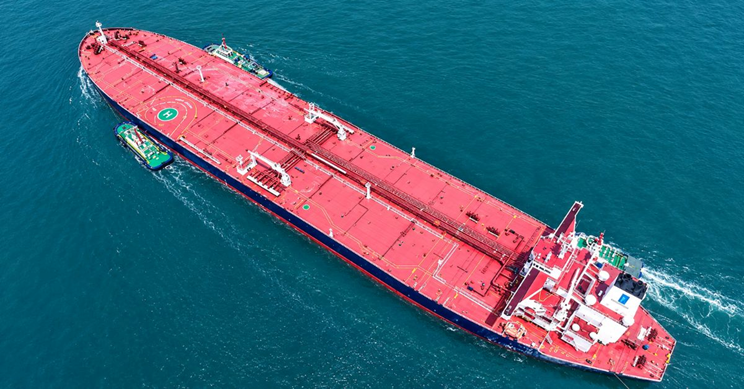
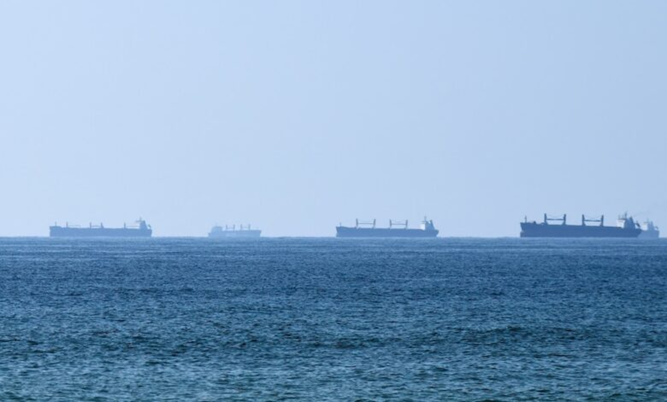
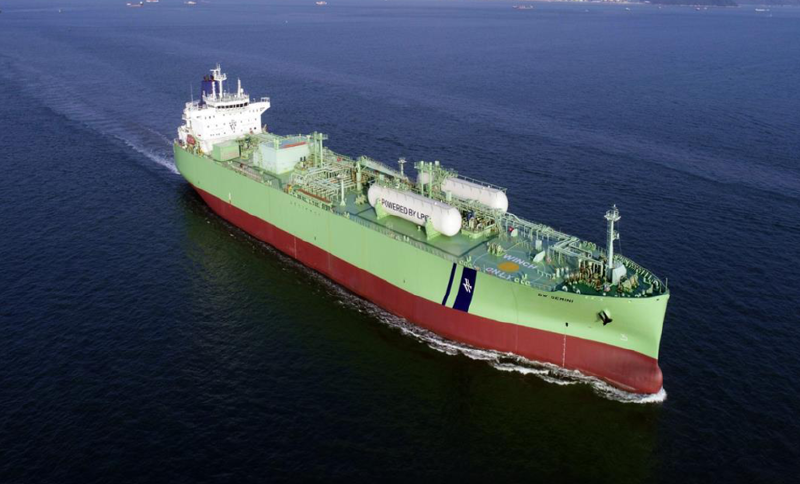
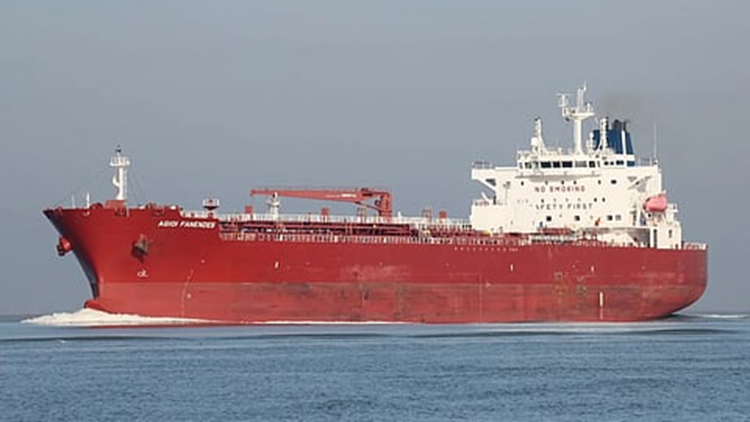
tanker carrying the first cargo of Russian diesel for the US halted its voyage
off the East Coast this week, shipping data showed on Tuesday. Its operator
said the destination had not yet been decided. On Tuesday,(10 Nov) US Energy Secretary
Chris Wright said he was confident the idled tanker would help supply global
markets even if it did not land at a US port. "We just want that diesel
going into the world markets," Wright told reporters at an event in New
Orleans. Last month, the US Treasury
Department issued a general licence temporarily permitting imports of Russian
diesel. But any buyers could damage their reputation and also face legal risks
if they engage in such "prohibited but authorised transactions," said
Jeremy Paner, a partner at law firm Hughes Hubbard Reed and a former US
sanctions official. Paner said any
savings from buying cheaper Russian diesel could easily be wiped out by the
need to pay hundreds of thousands of dollars in legal fees from likely upcoming
congressional investigations. “It’s
a relatively easy call for businesses to say, ‘We don’t want to touch it,’”
Paner said. New Jersey's Democratic
Governor Mikie Sherrill has warned local port officials and terminal operators
against accepting Russian diesel, saying those shipments would break federal
law. A handful of laws prohibit
importing Russian oil products, analysts and lawyers said. Several
jurisdictions, including the UK and the EU, also sanction Russian crude and
fuel. A Trump administration
official said the temporary waiver was in compliance with all applicable laws.
Still, finding a willing US importer might prove difficult. Banks are unlikely to finance deals
related to a Russian diesel trade, which could violate sanctions in other
countries, said David Tannenbaum, director of sanctions consultancy Blackstone
Compliance Services and a former US Treasury sanctions specialist. "The money that's on the table for a
single deal in comparison to the compliance costs and potential headaches, I
would be a hard pass," he said, adding that every party downstream that
touches the cargo and distributes it was a potential subject for an
investigation in the US Congress.
The Russian diesel would also need to be blended to meet New York
Mercantile Exchange heating oil specifications, adding another deterrent for
importers, Natalia Losada, an analyst at Energy Aspects, wrote in a note,
adding that cargoes may still end up diverting to Brazil or other more
traditional destinations for Russian diesel.
"If the
first vessel is unable to dock or discharge in any US ports, that does create
that bit of a hurdle for every further vessel that is on its way," said
Janiv Shah, a vice president at consultancy Rystad Energy.
Related News