



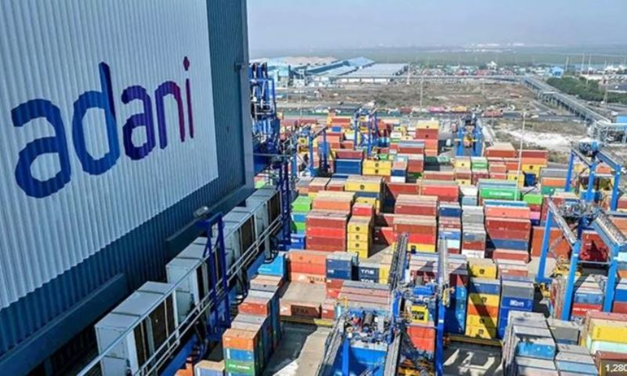
APSEZ Poised to Secure Dry Bulk Berths at Paradip Port
APSEZ placed the highest royalty bid of ₹122.30 per tonne for the CQ-1
and CQ-2 berths, securing the rights to operate the facilities for 30 years,
according to a report by ET Infra. The project involves an estimated investment
of ₹981.96 crore.
The two berths will be developed
as a common-user public-private partnership (PPP) facility for handling dry
bulk cargo. Together, they are designed to provide an annual handling capacity
of around 18 million tonnes, supporting the movement of commodities such as
coal, minerals and other dry bulk cargoes.
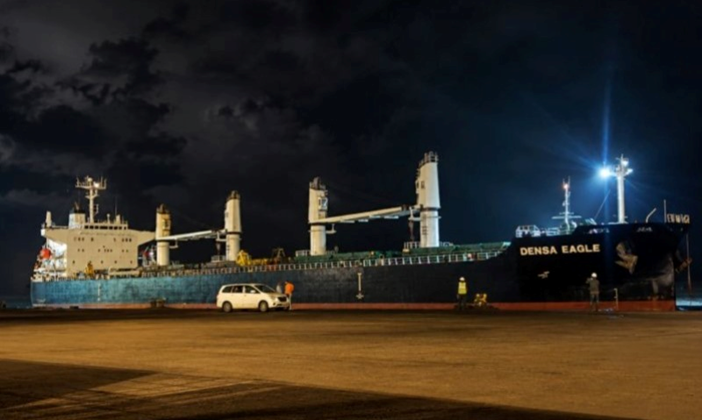
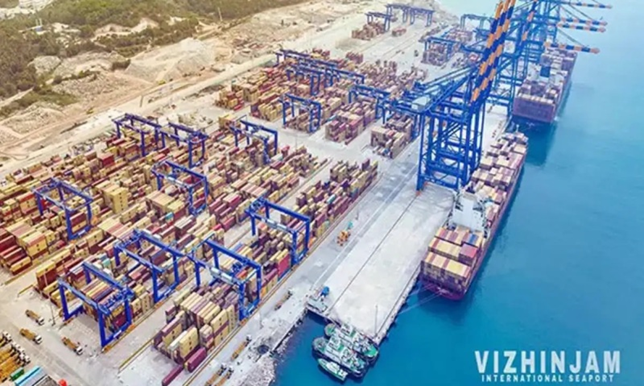
The CQ-1 and CQ-2 berths have a combined berth length of 485 metres and
a water depth of 15 metres. The project will also include a storage area
covering approximately 400,000 square metres, with mechanised cargo-handling
infrastructure aimed at improving operational efficiency and vessel turnaround
times. The deal would mark APSEZ’s
entry into Paradip Port, one of India’s major state-owned ports and a key
gateway for bulk commodities on the eastern coast. Paradip already handles a
wide range of dry bulk cargoes through its existing berth network. The development is strategically significant
for APSEZ because the company already operates a number of ports and terminals
along the eastern coast, including Dhamra, Gopalpur, Gangavaram, Krishnapatnam,
Kattupalli, Ennore, Karaikal and Haldia. Adding facilities at Paradip would
further expand its regional network and strengthen its ability to serve cargo
flows originating from the mineral-rich hinterland of eastern and central India.
APSEZ currently operates a
large network of ports and terminals in India and handled more than 500 million
tonnes of cargo in FY26. The company has also set a longer-term target of
reaching 1 billion tonnes of annual cargo handling by 2030.
For Paradip, the proposed investment is expected to bring additional
mechanised capacity and private-sector operational expertise to dry bulk
handling. The project could help improve cargo evacuation, reduce vessel
turnaround times and support the port’s growing role in India’s bulk commodity
trade.
With APSEZ poised to take control of the two berths, the project is
likely to become an important addition to the company’s eastern India portfolio
and further intensify competition among private operators for cargo-handling
opportunities at major Indian ports.

Related News