German states demand tenfold increase in port funding
The premiers of Hamburg, Bremen, Lower Saxony, Schleswig-Holstein and
Mecklenburg-Vorpommern agreed the demand at a summit in Rostock on Thursday,
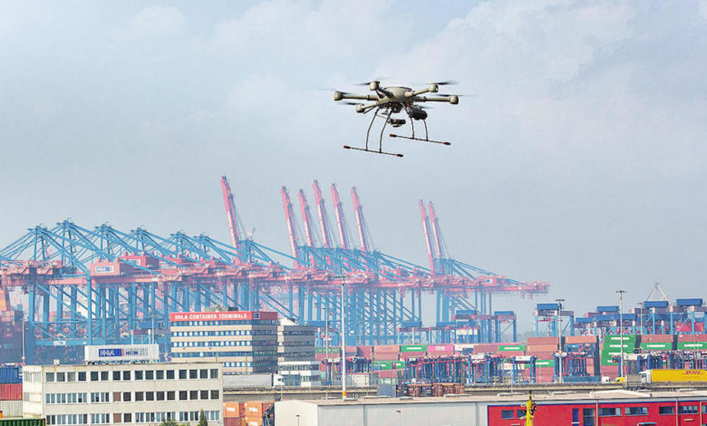
arguing that ports have become critical national infrastructure for trade,
energy and defence. The push has gained
fresh momentum from a new legal opinion commissioned by IHK Nord which
concludes that substantially greater federal support can be provided without
changing Germany’s constitution. That
challenges chancellor Friedrich Merz’s position at the National Maritime
Conference in Emden, where he raised constitutional concerns over greater
direct federal involvement in port funding.
Bremen mayor Andreas Bovenschulte said two separate
legal studies now supported the case for increased federal contributions. German
ports estimate they face an infrastructure investment and maintenance backlog
of around €15bn, covering ageing quays, terminals and other facilities as well
as new requirements created by offshore wind, energy imports, digitalisation
and military logistics. The current
€38m annual federal contribution is shared across all five coastal states and
has remained virtually unchanged for more than 20 years. Hamburg mayor Peter Tschentscher said the
geopolitical shift meant ports now needed not only to be modernised but
strengthened for dual-use military purposes and protected against
sabotage. The northern states also
called for greater investment in port hinterland connections.
Related News