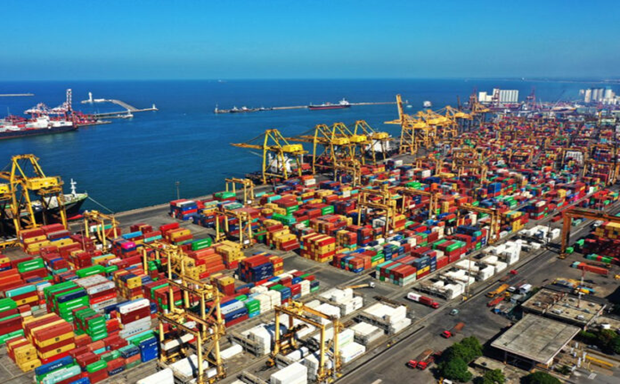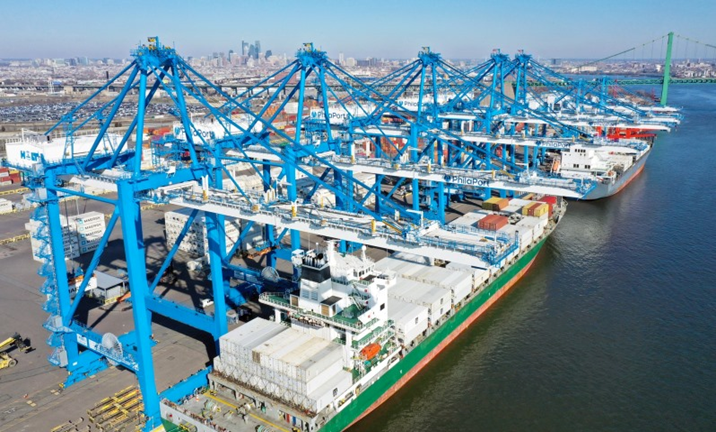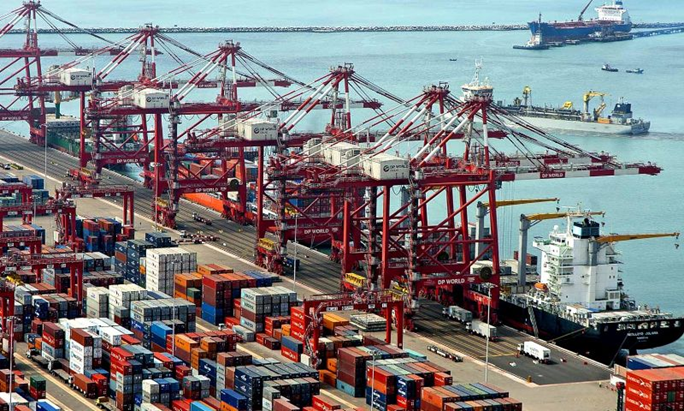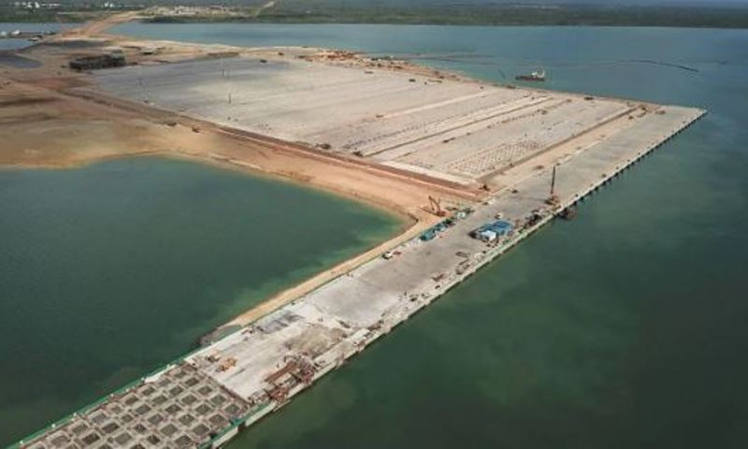
Port of Colombo enters global top 20, climbs to 20th place on strong container growth
The Port handled 4,444,034 TEUs during the first half of 2026, compared
with 3,972,053 TEUs during the corresponding period of 2025. This represents an
increase of 471,981 TEUs, or 11.9% year-on-year, placing Colombo among the
major ports recording significant growth in global container traffic.
The achievement marks a
significant advancement for Sri Lanka’s maritime sector and further strengthens
Colombo’s position as a strategic Indian Ocean transshipment hub. Transshipment
accounted for approximately 84.7% of the port’s total container throughput
during the first six months of 2026, with transshipment volumes growing 12.6%
year-on-year. Domestic container volumes also recorded healthy growth of
8.3%. The port’s performance was
supported by continued activity across its container terminals. Colombo International Container Terminals (CICT)handled 1,642,647
TEUs during the first half of the year, representing around 37% of Colombo’s
total container throughput. The port also recorded 2,066 vessel calls during
the period, compared with 2,016 in the first half of 2025, reflecting a 2.5%
increase in vessel arrivals. The latest
ranking follows a record performance in 2025, when the Port of Colombo handled
approximately 8.3 million TEUs. The sustained growth highlights the port’s
expanding role in facilitating international trade and connecting major
shipping networks across East and South Asia, the Middle East, Africa and
Europe.
Colombo’s rise has also taken place against a challenging global
shipping backdrop, marked by geopolitical tensions, disruptions to established
trade routes and changing shipping patterns. Against these conditions, the
port’s double-digit growth demonstrates the resilience of its transshipment-led
business model and its strategic importance to international liner and feeder
networks.
Looking ahead, further
investment in container handling capacity, logistics infrastructure and port
development is expected to strengthen Colombo’s ability to accommodate growing
cargo volumes. The Sri Lanka Ports Authority is pursuing development
initiatives and potential investments of up to US$2 billion over the next one
to three years, including expansion projects and public-private partnerships. The move into the global Top 20 is therefore
more than a rise in rankings—it represents an important milestone in Sri
Lanka’s maritime ambitions. With continued investment, improved capacity and
stronger connectivity, the Port of Colombo is positioning itself to become an even
more efficient and competitive gateway for regional and global trade. The achievement reinforces Colombo’s
growing stature as a key maritime gateway in the Indian Ocean and underscores
its potential to play an increasingly important role in the evolving global
container shipping and logistics landscape.
Related News