


India Set to Explore Northern Sea Route for Russia Trade
The plan was discussed as
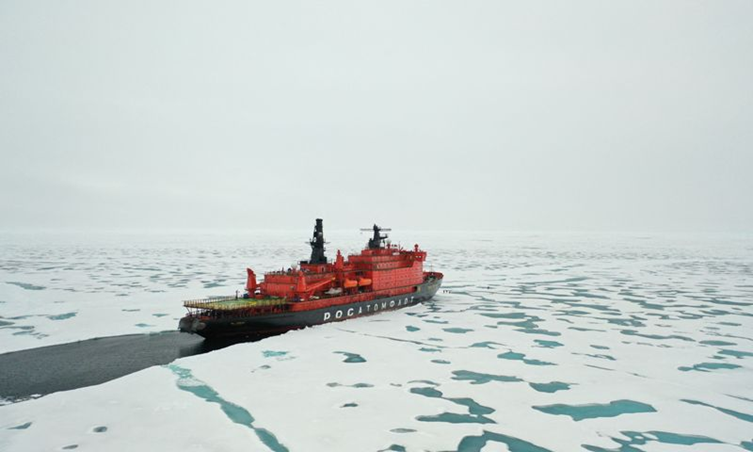
Indian and Russian officials explored the commercial potential of the NSR,
which runs along Russia’s Arctic coastline. India has been examining the route
as an alternative to traditional shipping corridors, particularly as
disruptions and geopolitical risks continue to affect conventional routes. The NSR could provide a substantially
shorter connection between Asia and Europe than routes through the Suez Canal.
Russian officials have indicated that the Arctic corridor can reduce sailing
distance and transit time, although its seasonal nature, ice conditions,
specialized vessels and higher operational requirements remain important
challenges. The proposed voyage also
builds on wider India-Russia efforts to develop alternative transport
corridors. In July, the Russian government approved a proposal to sign a
memorandum with India covering cooperation in maritime cargo transportation
along the Northern Sea Route, with Rosatom tasked with signing the agreement on
Russia’s behalf.
India and Russia have previously identified the NSR as an area for
maritime cooperation alongside the Chennai-Vladivostok Eastern Maritime
Corridor (EMC) and the International North-South Transport Corridor. The two
countries have also discussed strengthening infrastructure, logistics and
maritime connectivity between their markets. The
NSR is gaining wider commercial attention. China recently launched a regular
seasonal container service through the Arctic route to Europe, highlighting the
growing interest in using the corridor for Asia-Europe cargo movements. For India, a successful pilot voyage could
provide valuable operational experience in Arctic navigation and help assess
the route’s commercial viability for future cargo services. It could also
diversify India-Russia trade routes and complement existing maritime links
between the two countries.
However, the NSR remains a
challenging shipping environment. Vessels must contend with Arctic ice, limited
infrastructure, seasonal navigation windows, specialized ice-class requirements
and potentially higher insurance and operating costs. These factors will be
important in determining whether the corridor can develop beyond pilot voyages
into regular commercial services. If the 2027 voyage proceeds as planned, it could mark an important step
in India’s growing engagement with Arctic maritime trade and add another option
to the country’s expanding network of international shipping corridors.
Related News