



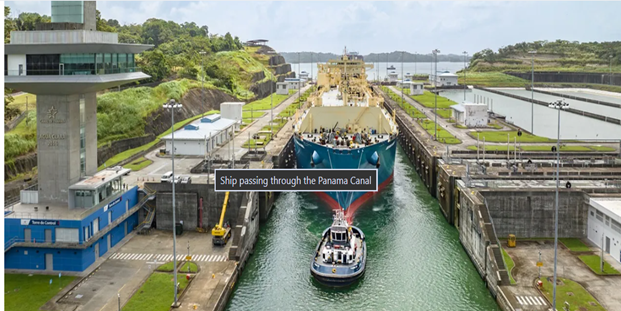
Panama Canal cuts daily transit slots due to El Niño
From 3 September
the number of slots available in the Neo-Panamax locks will be capped at nine
and the Panamax locks at 25. From 15 September the number of slots for the
Panamax locks will be reduced to 23.
Normally the maximum number of daily transits of the canal is around 38
in total so from 3 September this will be reduced to 34 and to 32 in total from
15 September.“Despite the arrival of the rainy season in Panama, and the
water-saving measures implemented by the Panama Canal to mitigate the adverse
effects of the El Niño event, current watershed conditions, including
below-expected precipitation in the Canal watershed, require additional action
to support the long-term sustainability of transit operations,” the Panama
Canal Authority stated. Daily
auction slots are also be adjusted into four groups in a move that the ACP said
is designed to balance the allocation of slots with the groups as follows:
Group 1: LNG, LPG
Group 2: Dry Bulk Carriers, General Cargo, Others
Group 3: Container vessels, Vehicle Carriers / ro-ro, reefer
Group 4: Chemical Tankers, Crude / Product Tankers
The price paid for
auctions slots has already surged to as high as $4 million for a single transit
in recent months as demand for Panama Canal transits has been high due to
supply chain disruptions in other parts of the world. The canal authority said that individual
customer limits for transits do not apply for auction slots and the Neo-Panamax
locks full container ships with the highest capacity will be given priority in
the booking process. Customer ranking will be used in the event of a tied bid.
The latest measures
announced for the Panama Canal will put further stress on supply chains already
impacted by conflict in the Middle East and port congestion in Europe.

Related News