



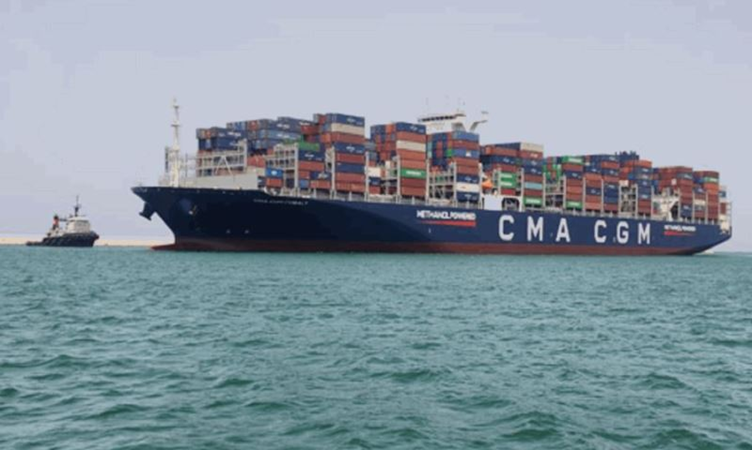
CMA CGM Rolls Out New Surcharges across Multiple Trade Lanes
From September 1, CMA CGM will
impose a €100-per-TEU Peak Season Surcharge (PSS) on refrigerated cargo moving
from North Europe, the Baltic, Scandinavia, West Mediterranean and Adriatic to
West Africa. The carrier will also introduce a Port Congestion Surcharge for
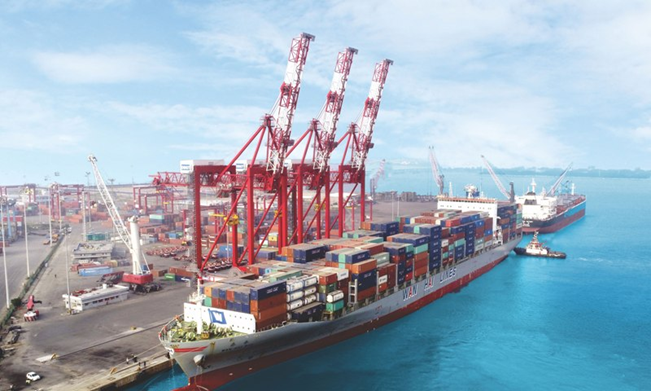
reefer cargo bound for Tema, Ghana, effective August 25. The charge will be
€100 or US$115 per TEU for shipments from several European and Mediterranean
origins, while cargo from other origins will face a US$400-per-TEU surcharge.
CMA CGM cited congestion at Tema’s reefer yard as the reason for the additional
charge. European inland transport is
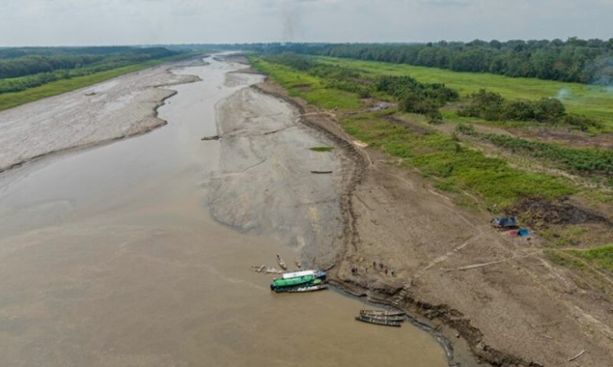
also being affected. CMA CGM has introduced an Inland Emergency Fee because
exceptionally low water levels on the Rhine and other European rivers are
disrupting barge operations. Reduced capacity, congestion and longer terminal
dwell times have increased transportation costs.
The inland fee will apply to
shipments routed through Antwerp, Zeebrugge and Rotterdam. Charges are set at
€50 per container for locations in Belgium and the Netherlands and €75 per TEU
for locations in Germany, Switzerland and France. The measure applies to
imports from August 24 and exports from September 1 and will remain in place
until further notice.
CMA CGM has also maintained a US$2,000-per-dry-container PSS on
shipments from the India West Coast, Pakistan and Sri Lanka to the East Coast
of South America. From September 1, the surcharge will apply to long-term
contracts, following its existing application across all contracts until August
31.
On the West
Mediterranean–Canada trade, CMA CGM will introduce a Rate Restoration
Initiative from September 15. The increase will be US$250 per 20-foot container
and US$500 per 40-foot, 40-foot high-cube and 45-foot container. The latest measures add to a broader series
of CMA CGM rate and surcharge adjustments introduced in recent months across
Asia, Europe, Africa and the Americas. The carrier has also recently announced
additional charges linked to the Panama Canal and other operational
conditions. For shippers, the
multiple adjustments are likely to increase the landed cost of containerised
cargo on several routes. Exporters and importers will need to factor the new
charges into freight budgets and contract negotiations, particularly on trades
affected by port congestion, inland-waterway disruptions and seasonal
demand. The latest surcharge
programme highlights how environmental conditions and operational constraints
are increasingly influencing container shipping costs, with carriers passing
some of the additional expenses on to customers to maintain service
reliability.
Related News