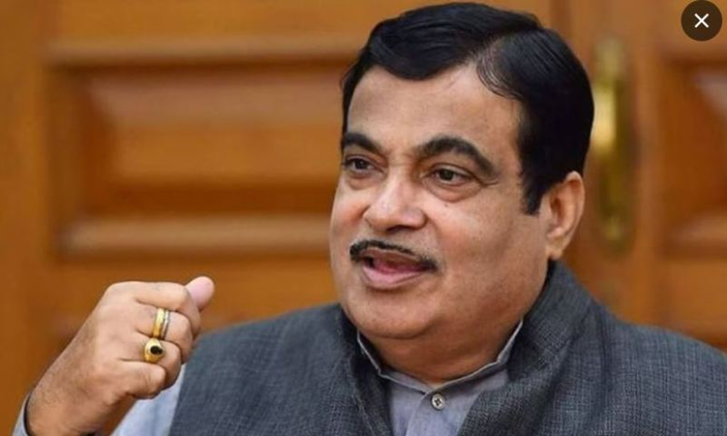
Gadkari Says Green Hydrogen Will Power India’s Future Mobility and Industry
Addressing KPMG’s
Agrasar Bharat Manch on October 23, Gadkari highlighted the importance of
futuristic technologies, alternative fuels and infrastructure development in
strengthening India’s economic growth and global competitiveness. The Centre launched the National Green Hydrogen Mission in 2023,
targeting annual green hydrogen production of at least 5 million metric tonnes
(MMT) by 2030. The mission also aims to attract investments exceeding ₹8 lakh
crore and generate more than 600,000 jobs.
“We are developing futuristic technologies — electric vehicles, alternative
and biofuel ethanol, methanol, biodiesel, LNG, and hydrogen,” Gadkari said,
emphasising the need for technological innovation and a long-term vision for
national development. He also pointed
to the significant reduction in lithium-ion battery costs, noting that prices
had fallen from $150 per kilowatt-hour to $50 per kilowatt-hour. According to
the minister, advancements in such technologies would play a critical role in
shaping the future of energy and transportation. Gadkari underlined the importance of
infrastructure development in achieving India’s ambition of becoming a
developed nation, stating that the Narendra Modi-led government had accorded
the sector high priority since 2014.
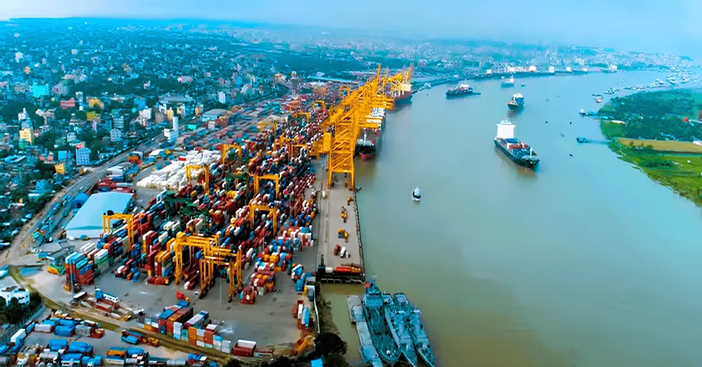
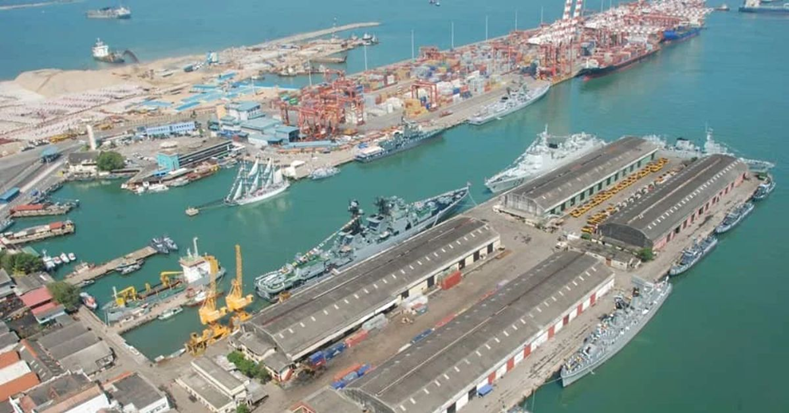
Highlighting the role of maritime infrastructure, he recalled the launch
of the Sagarmala programme when he was Union Minister for Shipping and Ports in
2015. At the time, the ministry had a
budget of ₹900 crore, while projects worth ₹16 lakh crore were envisaged by
leveraging the economic strength of India’s major ports. The country’s 12 major
ports were then generating annual profits of around ₹7,000 crore, he said. “By using that strength, we have completed
projects worth more than ₹13 lakh crore now,” Gadkari said, pointing to the
scale of infrastructure development undertaken through the port-led development
approach. The Sagarmala programme
seeks to strengthen port infrastructure, improve connectivity and promote
industrial development around ports, supporting more efficient movement of
cargo and enhancing the competitiveness of Indian trade. The minister also highlighted improvements
in road infrastructure and their impact on logistics efficiency, claiming that
India’s logistics costs had declined from 15% to around 9%. “Today, I can claim that our logistics cost
is almost single digit, 9%. This 7% difference is very important for exports
and imports. That is going to increase our exports,” he said. Lower logistics costs are crucial for
improving the competitiveness of Indian manufacturers and exporters in
international markets. Better highways, multimodal connectivity, efficient
ports and the adoption of cleaner fuels are expected to play an increasingly
important role in reducing transportation costs and supporting industrial
growth.
Gadkari’s remarks underscored the government’s
focus on combining next-generation energy technologies with infrastructure
expansion to strengthen India’s position in global manufacturing, logistics and
international trade.

Related News