Rail Container Movement Picks Up at Vallarpadam ICTT after Years of Underutilisation
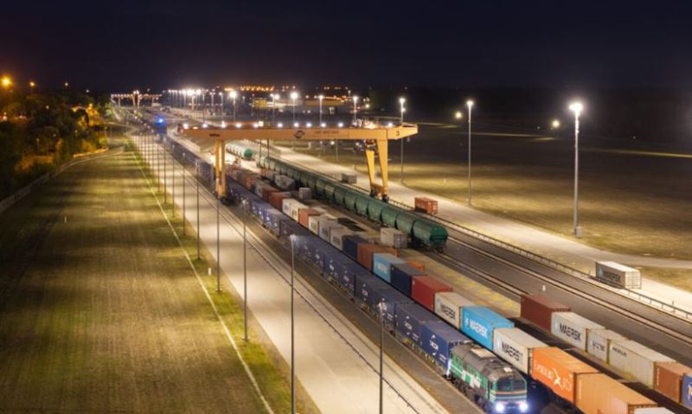
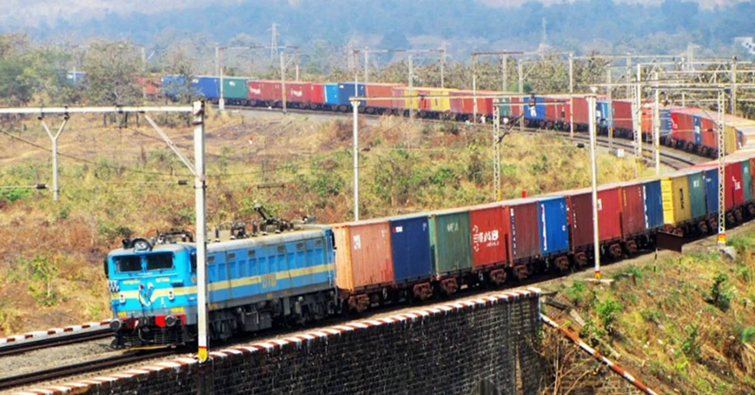
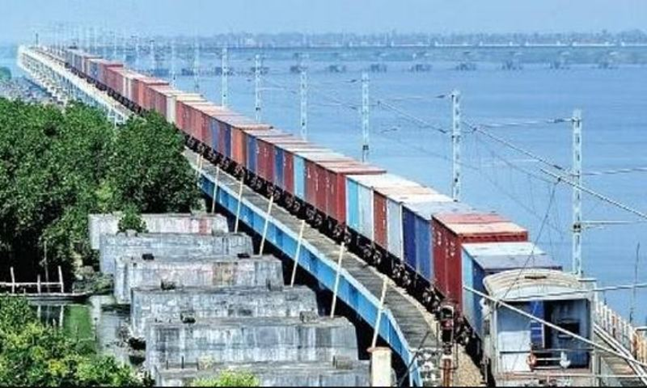
The 8.86-km rail
corridor connecting the terminal to the railway network, featuring India’s
second-longest railway bridge, has remained significantly underutilised since
its inauguration in 2011. The corridor had not handled a train for the three
years preceding the recent revival.
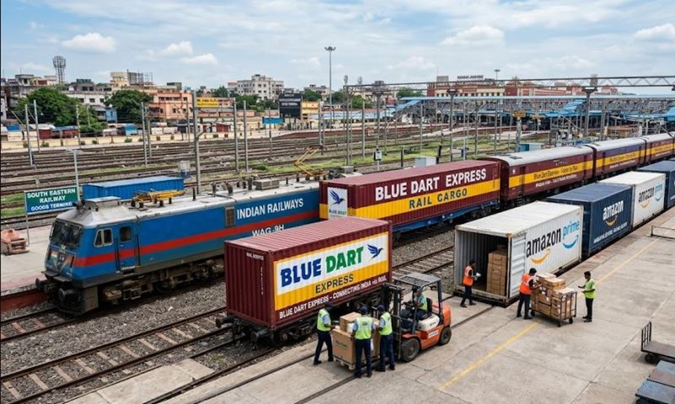
Container Corporation of India Ltd (CONCOR), a subsidiary of Indian
Railways, has resumed container freight services to the terminal. The commencement
of outward loading is another significant development, addressing a
longstanding limitation under which containers arriving at Vallarpadam had to
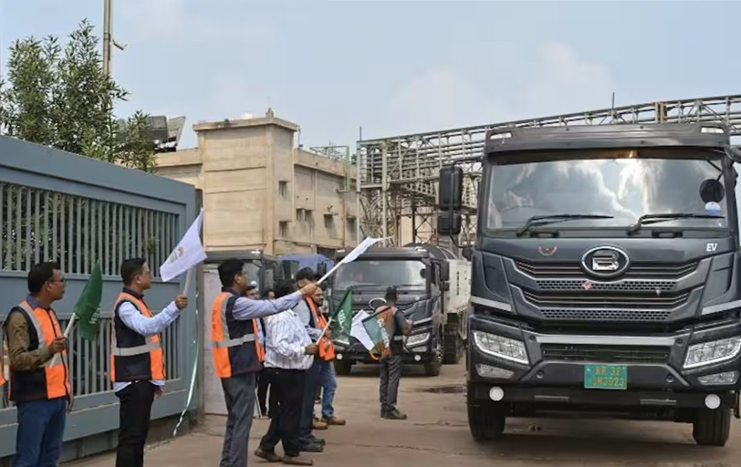
be returned empty. Recently, Bharat
Petroleum Corporation Ltd (BPCL) loaded four full rakes of bitumen consignments
from the terminal, marking an important step towards improving cargo volumes
and the commercial viability of rail operations. “We have also received an inward
consignment of car units for export and are in discussions with the company to
establish regular rail movement. The company has so far used ports in Tamil
Nadu, and talks are underway to shift the movement through Cochin Port,” a
senior official said. Terminal
authorities are looking to expand domestic cargo movement to northern and
central Indian markets by using containers that would otherwise return
empty. Hari V S, terminal manager at
Vallarpadam Container Freight Station, said return domestic cargo services were
being extended to destinations including Delhi, Kolkata, Jharkhand, Kanpur,
Ahmedabad, Madhya Pradesh, Nagpur, Hyderabad, Chennai and Bengaluru. A new
terminal has also been established at Mysuru.
Authorities are particularly targeting traders and manufacturers in
Kerala’s industrial clusters to generate additional rail cargo. The Perumbavoor
plywood and furniture industry, comprising more than 1,000 companies and
producing an estimated 400–500 tonnes of goods daily, is among the key sectors
being approached. Affordable freight
rates are being promoted to encourage businesses to use the rail corridor to
reach markets in northern India, potentially reducing dependence on road
transport. Rail-based logistics also
offers the advantage of functioning as intermediate warehousing, providing
customers with additional time to collect goods at destination while reducing
congestion on highways. Each rake can potentially replace the movement of up to
90 trucks, depending on cargo and loading configurations. Despite improvements in rail operations,
industry representatives believe that stronger international vessel
connectivity will be essential to unlocking Vallarpadam’s full potential. Varghese K George, president of the Kerala
Steamer Agents Association, said many businesses continued to route cargo
through Mumbai and Chennai because of the more assured shipping connections
available at those gateways, even when moving cargo through Cochin Port could
be cheaper. He called for government
intervention to promote rail cargo movement and reduce overall logistics costs,
stressing that improved international shipping connectivity would help drive
higher volumes. A recent development
in this direction is the commencement of calls by the MGR IFR Service at Cochin
Port. The new service connects Cochin in Kerala and Nhava Sheva in Maharashtra
with Fujairah in the UAE, Sohar in Oman and Aden in Yemen on a fortnightly
rotation. “The new port call expands
our network and gives customers greater choice and improved reach to key
markets in the Middle East,” said Ravinder Johal, COO – Ports & Terminals,
DP World Cochin, which operates the terminal.
The revival of rail freight services, the
introduction of outward loading and efforts to attract domestic cargo could
strengthen Vallarpadam’s role in Kerala’s logistics network. However, sustained
growth will depend on securing regular cargo flows, competitive rail freight
rates and reliable international shipping connections.

Related News