West Asia Conflict Pushes India’s Shipping Costs towards $100 Billion
The conflict has
affected shipping through key routes in and around the Red Sea, Gulf of Oman
and Strait of Hormuz, forcing carriers and vessel operators to reassess routes,
insurance requirements and operating costs.
Higher risk premiums, longer voyages and elevated bunker consumption
have contributed to a sharp increase in freight and related logistics expenses.
For Indian businesses, the impact is being felt across sectors that depend
heavily on international shipping, including engineering goods, chemicals,
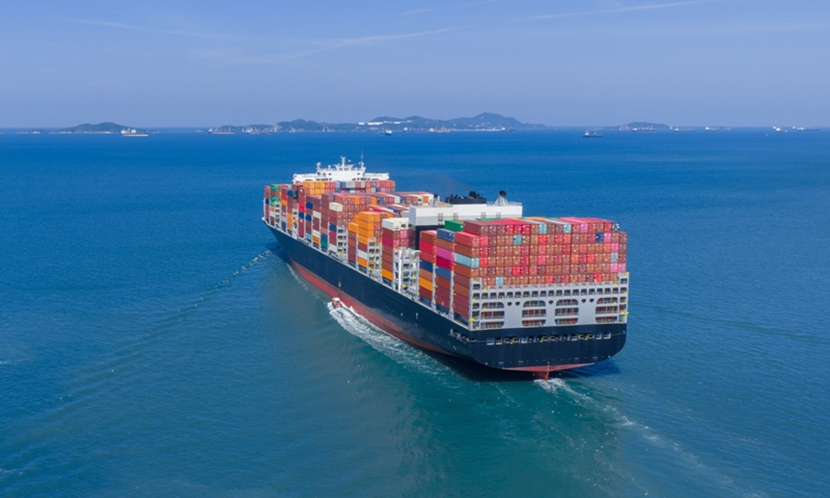
textiles, petroleum products and agricultural commodities. Container shipping has also come under
pressure as carriers adjust services and impose additional surcharges to cover
higher operating and security costs. Exporters, particularly smaller
businesses, face increased difficulty absorbing these additional expenses. The disruption is also affecting India’s
import bill, as higher freight costs add to the landed cost of crude oil,
fertilisers, edible oils, machinery and other commodities. Any prolonged
disruption around major maritime chokepoints could further increase logistics
costs. Industry stakeholders are closely monitoring
developments because the duration of the conflict and the extent of route
diversions will determine how long elevated freight rates persist. With shipping playing a critical role in
India’s international trade, the surge in maritime costs could weigh on the
competitiveness of Indian exports while increasing costs for import-dependent
industries. A sustained reduction in regional tensions and the restoration of
normal shipping routes would be key to easing freight and logistics pressures.
Related News