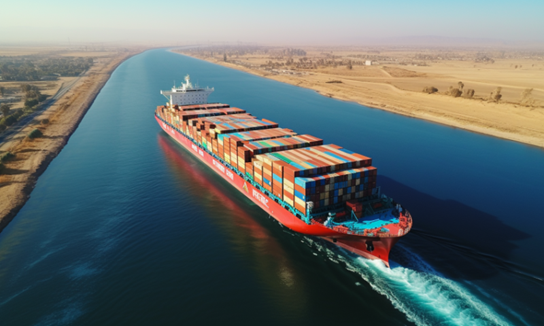
India–Savannah Transit Falls 10–14 Days with Suez Return
The shift follows
changes in carrier routing decisions as shipping lines reassess the security and
operational conditions in the Red Sea and Suez corridor. Using the Suez route
significantly shortens the sailing distance between Indian ports and the US
East Coast. For Indian exporters, the
shorter transit time could improve supply-chain planning and reduce the time
goods remain in transit. The benefit is particularly relevant for
time-sensitive cargo, manufactured goods, textiles, engineering products and
other containerised exports moving to the US market. The longer Cape of Good Hope routing had
added substantial sailing time to services between Asia and the US East Coast.
It also increased fuel consumption and vessel operating costs, contributing to
higher freight expenses and schedule disruptions. A return to Suez routing can improve schedule
efficiency and potentially release vessel capacity that was previously tied up
by longer voyages. However, shipping lines continue to monitor security
conditions closely, and routing decisions remain subject to developments in the
region. Savannah is an important
gateway for cargo entering the US Southeast, serving major consumer and
manufacturing markets across the region. Faster connections from India could
therefore support more efficient trade flows between the two markets. The 10–14-day reduction in transit time
highlights the significant logistical advantage of the Suez route and could
provide Indian exporters with greater predictability as carriers restore
services through the traditional Asia–Europe–US East Coast corridor.
Related News