SCR freight study examines ports and industrial clusters for rail growth
The SCR freight study moved
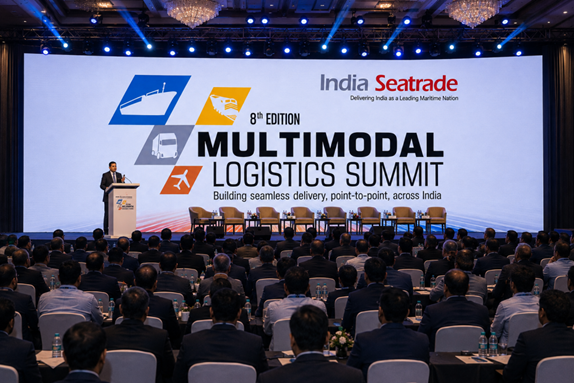
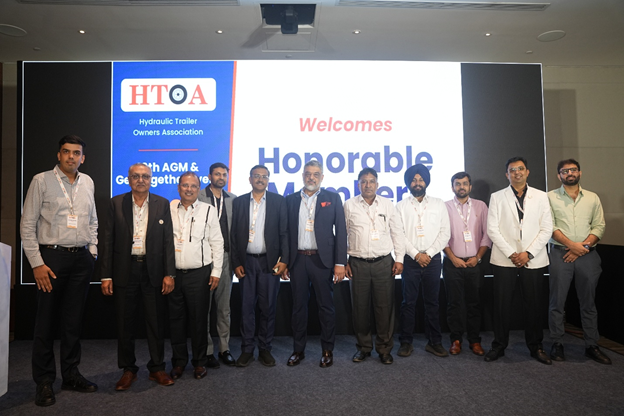
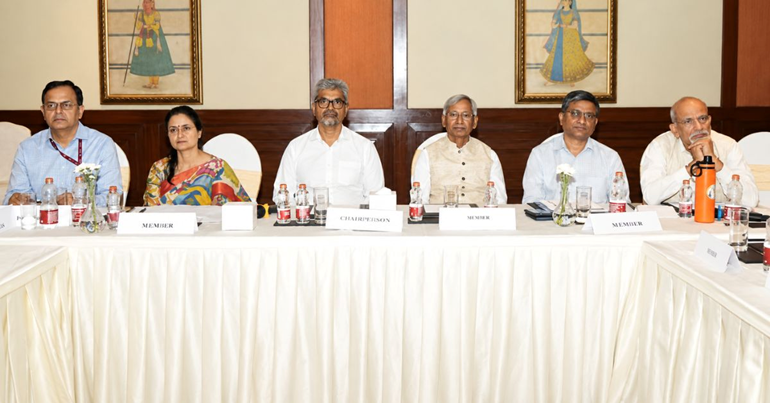
into a stakeholder consultation stage on October 8, when IIM Bangalore
organised a Rail Business Conclave in Hyderabad to discuss opportunities for
increasing rail’s share of cargo transportation. South Central Railway General Manager
Sanjay Kumar Srivastava attended as chief guest. Freight customers and industry
representatives discussed operational difficulties, service expectations and
potential sources of additional traffic.
SCR engaged IIM Bangalore in February 2026 to examine the freight
market. The latest discussions are intended to turn the research and customer
feedback into practical recommendations for improving railway services and
attracting business.
Srivastava said SCR would
examine concerns involving operating constraints, reliability, transit times,
expansion plans and logistics requirements. He asked the institute to develop
recommendations that would enable corrective measures. The study covers cement, coal, steel,
agricultural products, automobiles, port traffic and containers. Researchers
have undertaken more than six months of fieldwork across major
freight-generating and handling locations served by the six divisions of the
erstwhile SCR zone. An interim report
was discussed with customers and industry participants. Beyond established
commodity flows, the assessment considers emerging cargo opportunities
associated with new ports along the Andhra Pradesh coast, the Jalna dry port
and multimodal logistics parks.
Upcoming steel plants and the electric vehicle cluster at Bidkin, near
Chhatrapati Sambhajinagar in Maharashtra, also feature in the work. The research examines potential freight
terminals, GatiShakti Cargo Terminals, improved railway connectivity and
customer-friendly freight schemes. Together, these areas connect the market assessment
with decisions about where additional services and infrastructure may be
needed. Indian Railways has set a
freight-loading target of 3,000 million tonnes by 2030. SCR and neighbouring
South Coast Railway are together targeting 264 million tonnes as their
contribution. Srivastava described
the regional goal as challenging but achievable with support from customers,
industry partners and railway employees.
The conclave included representatives from cement companies, Singareni
Collieries, thermal power stations, ports, chambers of commerce, warehousing
businesses and cargo and container service providers. Separate discussions addressed
commodity-specific requirements, including cement, coal and fly ash, alongside
port and container logistics. Bringing these customers into the study allows
operating requirements to be considered alongside estimates of potential cargo
demand. The October meeting follows
an earlier memorandum of understanding between SCR and IIM Bangalore’s Supply
Chain Management Centre. The
agreement was formalised at the Rail Parcel Conclave held at Rail Nilayam in
Secunderabad in February. Professor Rajeev R. Tripathi, the centre’s
chairperson, also delivered a presentation on the role of railways in modern
supply chains. The collaboration was
established to undertake a comprehensive research study of SCR’s freight
services and generate analytical insights supporting its operations. The Supply Chain Management Centre works
across transportation, warehousing, supply chain design and coordination. These
research areas are relevant to assessing how railway services connect with
customers’ wider logistics arrangements, including handling, storage and
distribution. Earlier consultations
also brought industrial users into the research. On August 20, an IIM Bangalore
team met the Andhra Pradesh Chambers of Commerce and Industry Federation to
discuss freight patterns and barriers to greater rail use. The chamber proposed freight aggregation
centres at industrial clusters, stronger first-mile and last-mile connections,
mini inland container depots and rail-linked terminals. It also sought closer integration between
railways, ports, roads, warehouses and multimodal logistics parks. These
suggestions underline the importance of examining the complete cargo journey
when assessing rail competitiveness.
SCR’s research initiative accompanies an earlier effort to simplify
parcel logistics. On February 25, it launched a one-year pilot of the Rail
Parcel digital marketplace across 17 stations in seven cities. The platform connects railway
transportation with logistics partners offering pickup, delivery and packaging.
Its pilot locations include Hyderabad, Visakhapatnam, Vijayawada, Guntur,
Rajahmundry, Bengaluru and Chennai.
This provides a separate
example of SCR addressing connections between rail transport and customer
premises. The October consultation now focuses attention on translating
freight-market research into service improvements and commercial priorities.
Related News