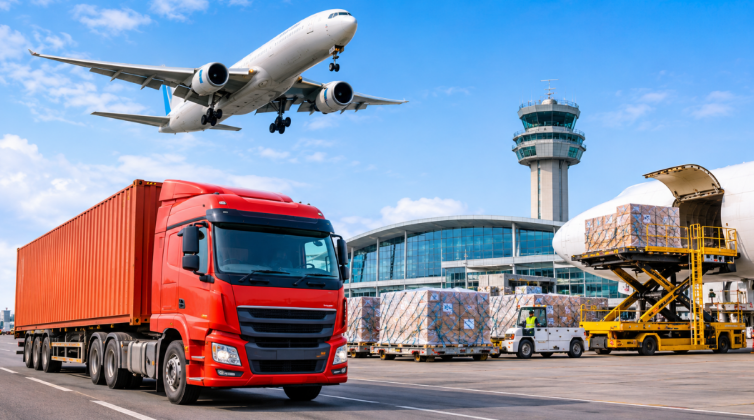
Transport Sector Faces Headwinds from Sluggish Rail and Air Cargo Activity, JM Financial Says
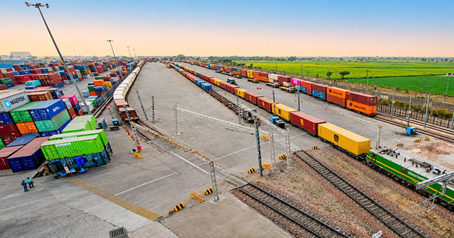
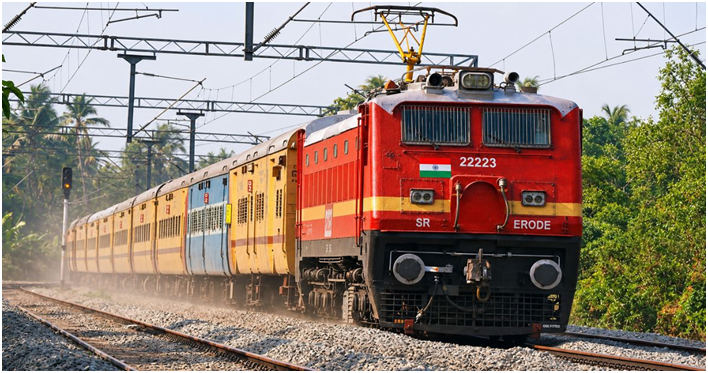
The rail container
segment remains under pressure due to sluggish demand, affecting container
train operators and logistics companies. Weak industrial activity, changing
freight patterns and competition from alternative transportation modes are
among the factors influencing container movement. The subdued performance in rail container
traffic could affect revenue growth and capacity utilisation for companies
operating container trains and multimodal logistics services. Operators may
also face pressure on margins as they manage fixed infrastructure and operating
costs against slower volume growth.
The aviation segment is also facing challenges, with relatively weak air
traffic growth expected to limit near-term momentum. Slower passenger movement
and uncertain demand conditions could affect airlines, airport operators and
businesses linked to aviation services.
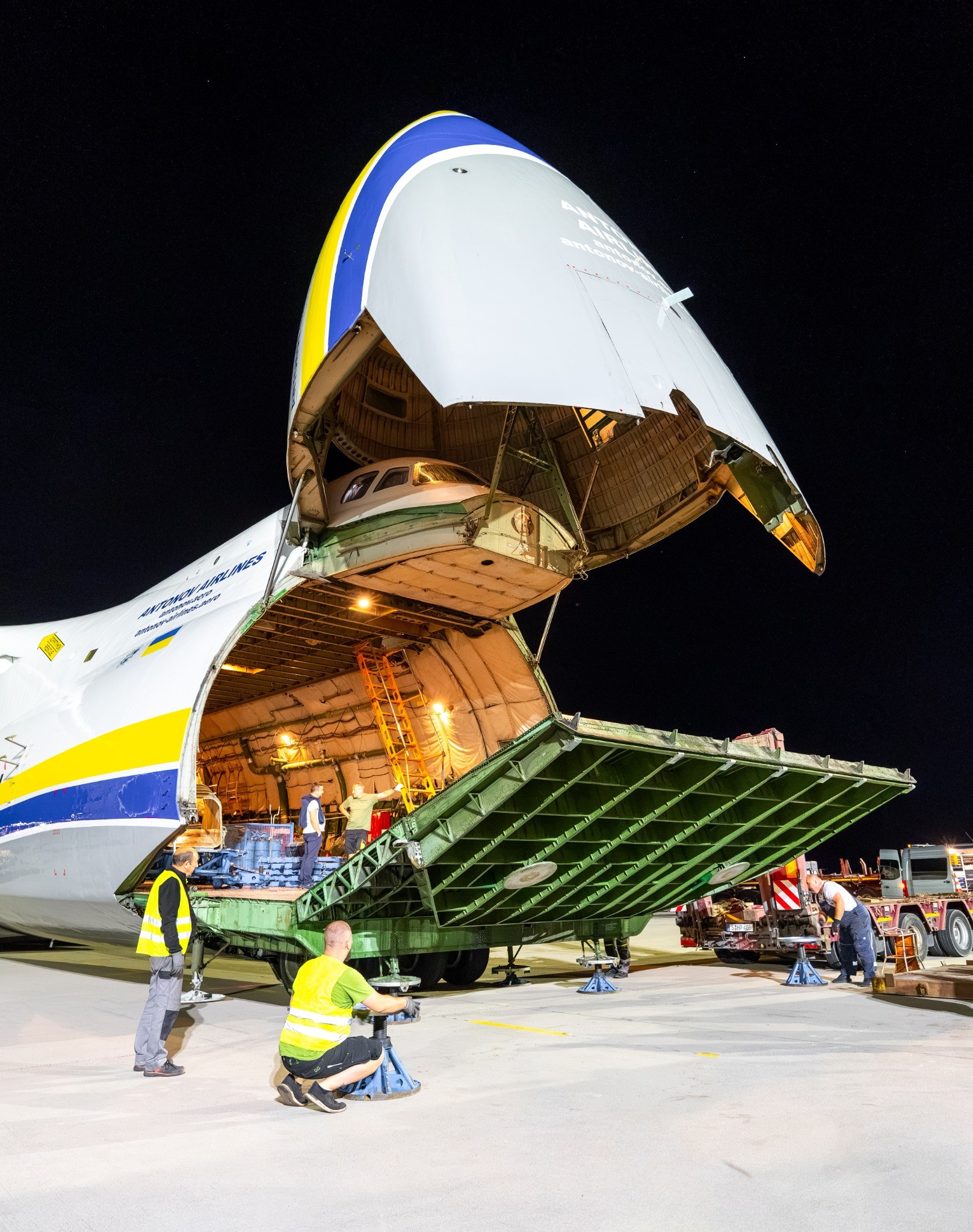
For the air cargo industry, changes in international trade flows, export
demand and capacity availability will remain important factors influencing
performance. Airlines and cargo operators may need to focus on improving load
factors and operational efficiency to protect profitability. JM Financial’s assessment points to an
uneven outlook for India’s broader transportation sector. While certain
infrastructure and logistics businesses may benefit from long-term investment
and improving connectivity, near-term growth could remain constrained by weak
volumes in selected segments. Rail
container operators, airport service providers and logistics companies will
need to closely monitor demand trends, operating costs and capacity utilisation. The outlook highlights the importance of
sustained industrial activity, stronger export demand and improving domestic
consumption in supporting freight and passenger transportation growth.
Despite near-term challenges, India’s
long-term logistics demand remains supported by infrastructure development,
multimodal connectivity initiatives and the expansion of organised supply-chain
networks.
Related News