Shipping Costs Surge for Russian Oil Deliveries to India
The sharp increase
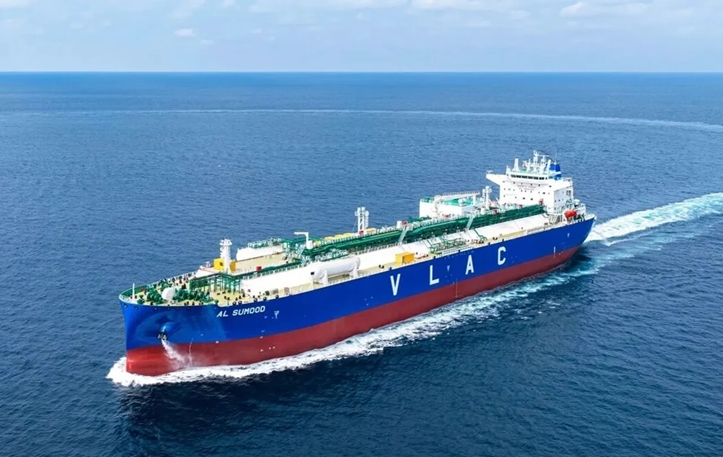
in transportation costs reflects mounting challenges in moving Russian oil amid
geopolitical tensions, sanctions-related restrictions and growing scrutiny of
vessels involved in the trade. Shipowners, insurers and shipping intermediaries
face additional risks when handling cargoes linked to Russia, potentially
pushing up freight rates and associated expenses. India has emerged as a major buyer of
Russian crude in recent years, with refiners attracted by competitively priced
supplies. However, higher freight costs can reduce the price advantage of
Russian oil and affect the economics of individual shipments. Tanker operators may also face longer
voyages, limited vessel availability and increased insurance premiums,
depending on the route, vessel ownership and the parties involved in each transaction.
These factors can raise the overall cost of delivering crude to Indian
ports. The higher shipping expenses
could influence Indian refiners’ purchasing decisions as they compare Russian
crude with supplies from the Middle East and other producing regions. The final
landed cost depends on crude prices, voyage distance, freight rates, insurance
and other transaction-related expenses.
The surge also highlights how geopolitical developments can reshape
global oil trade by increasing transportation costs even when crude remains
commercially attractive. For India, which relies heavily on imported energy,
fluctuations in freight charges can affect refinery margins and the overall
cost of crude procurement.
However, the
reported $30 million figure should not be treated as a standard charge for
every tanker. Actual costs vary according to vessel size, route, market
conditions and the specific arrangements involved in each shipment.
Related News