Cyclone Arnab Disrupts Operations at India’s East Coast Ports, Raising Concerns over Cargo Delays
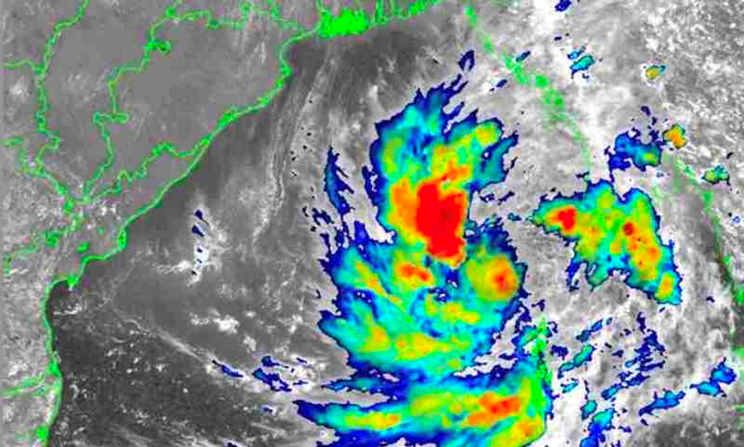
The cyclone made
landfall along the Andhra Pradesh coast on Wednesday, bringing strong winds,
heavy rainfall and rough seas. Port authorities had introduced precautionary
operational restrictions ahead of the storm, affecting vessel movements and
cargo-handling activities.
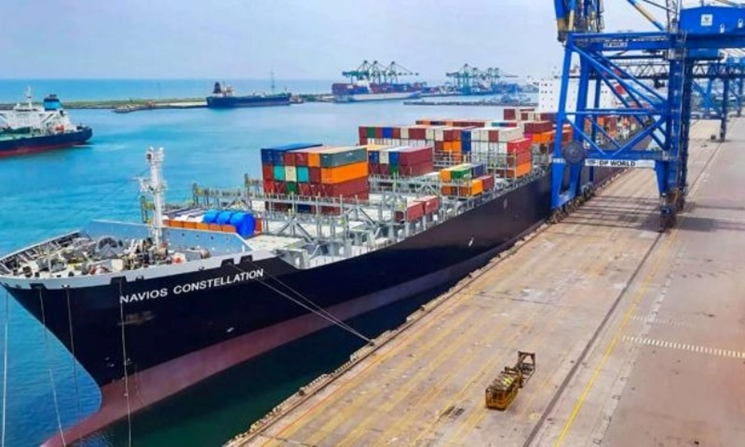
Visakhapatnam, an important gateway for container traffic on India’s
east coast, was among the ports to suspend operations. The port also serves as
a key feeder connection for Maersk’s east coast network, particularly for cargo
moving to and from Kolkata.According to logistics provider Kuehne+Nagel,
Visakhapatnam, Gangavaram and Krishnapatnam were among the container ports
potentially affected by cyclone-related warnings. The temporary suspension of port
activities is expected to put additional pressure on vessel schedules and cargo
flows. Industry sources have warned that the full extent of the disruption will
become clearer as terminals resume normal operations and assess the backlog of
vessels and cargo. A shipping
industry source indicated that operations at Visakhapatnam terminals were gradually
resuming in line with government directions and updated safety advisories. The
earlier suspensions were implemented as part of contingency planning to protect
port personnel, vessels and infrastructure.
The disruption comes at a challenging time for India’s maritime supply
chains, with several ports already experiencing operational pressure because of
vessel bunching caused by delayed arrivals from Asian origin ports. The cyclone
could further complicate berthing schedules, feeder connections and cargo
evacuation. Visakhapatnam remains an
important node in India’s east coast container network. The port handled
302,926 TEUs during January–September 2026, compared with 308,861 TEUs during
the corresponding period last year, according to data cited by The Loadstar. Any prolonged interruption at the port
could affect regional cargo movements and feeder connectivity, particularly for
shipments linked to other east coast gateways. The cyclone also prompted precautionary
alerts in neighbouring Bangladesh as adverse weather threatened the northern
Bay of Bengal and adjoining coastal areas.
Inchcape Shipping Services, the London-based port agency provider, had
warned customers that Cyclone Arnab was expected to intensify before crossing
the Andhra Pradesh and Yanam coast on October 28. The wider weather system underscores the
exposure of regional shipping networks to severe weather events, particularly
when ports are already managing congested vessel schedules and disrupted
connections. Operational pressures are
also being reported beyond India’s eastern coastline. Kuehne+Nagel reported an
average vessel waiting time of approximately two days at terminals in Sri
Lanka’s Colombo port. The delays were
attributed to ongoing transhipment congestion, missed feeder connections, omitted
vessel calls and routing changes. For
shipping lines, freight forwarders, exporters and importers, the combination of
weather-related port restrictions and existing congestion highlights the
importance of closely monitoring vessel schedules, terminal updates and cargo
delivery commitments.
As port operations along India’s east coast
recover, the pace at which terminals clear waiting vessels and accumulated
cargo will be critical in determining the overall impact on regional logistics
and international trade flows.

Related News