The Risk of a Full-Scale Conflict with Iran is at its Peak
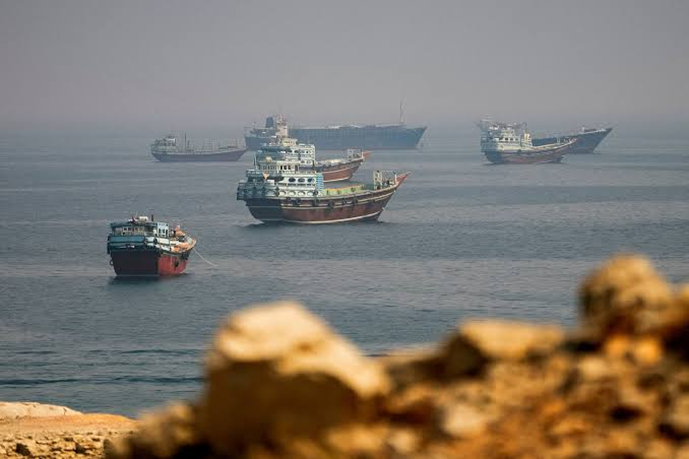
From a political perspective, Prime Minister Netanyahu’s desire to resume hostilities has been advertised by his clashes with the Israeli chief of staff. President Trump may be tempted to do so before seats change hands in Congress. Iran is under increasing pressure domestically as the oil money runs out and imports dry up, and could leverage a patriotic war as a diversion. Some of the Gulf states do not want to see any arrangement come into play that gives Iran more control over the Strait of Hormuz than it used to have, and they might move if they were threatened with a fait accompli or a deal to which they were not a party. From a military perspective, the United States has been clearing dependents and nonessential personnel from forward bases and embassies in the region, and it has mastered the art of prosecuting long-range warfare without giving away any indicators and warnings. Israel is always ready, and the fake full-scale attack mounted last week, which stopped just short of Iran’s borders, may have been an attempt to get the Iranians to unmask their air defense systems in order to update the electronic signatures of the systems that will need to be attacked.
A series of covert, unannounced military strikes by the United States on
targets in Iran in recent days may also be viewed as an attempt to prepare the
battlefield, and unexplained fires and explosions at a number of sites in Iran
could likewise be part of shaping operations.
Iran may want to avoid another war, knowing the damage that will be done
to its infrastructure. But its leaders evidently feel a war is imminent and
have been trying to pressure the Gulf states to urge restraint on the United
States and Israel by threatening attacks on a wide range of civilian targets.
But if Iran feels threatened and thinks an attack is imminent, it may be
tempted to make a preemptive first move.
Related News