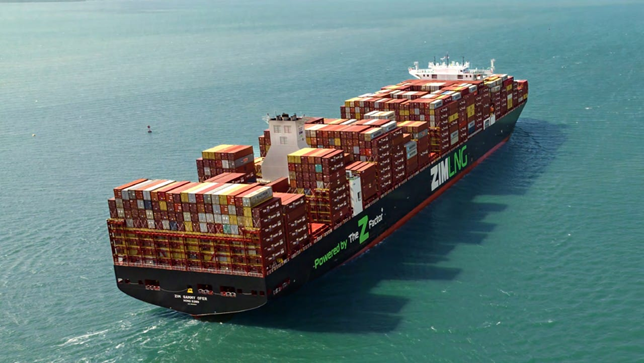
Alternative fuelled vessel orders up 57%, port readiness concern
Following a pattern for the year as whole LNG dual fuel dominated
new contracts in October accounting for 30 out of 53 alternative fuelled
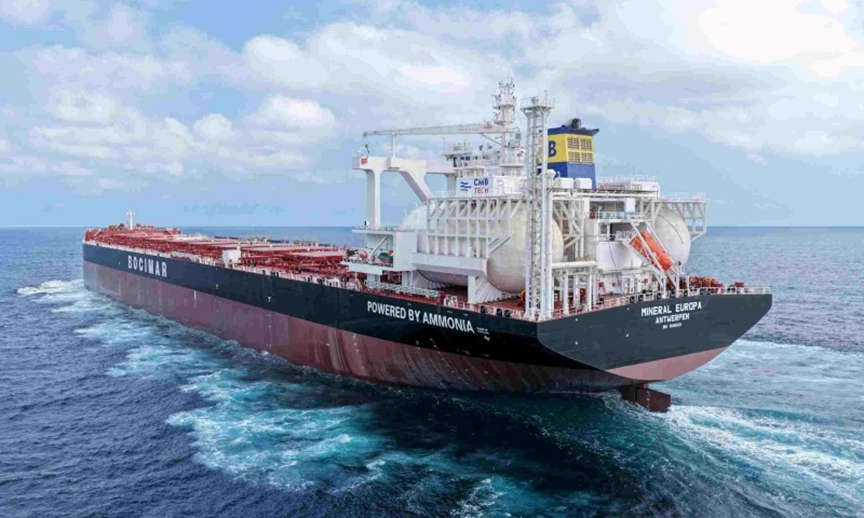
newbuilds ordered. Of the remaining 23 vessels 19 were LPG powered, and four
were ammonia fuelled.
“October’s figures add to the strong activity we have seen in
alternative-fuelled vessel ordering since the summer. Particularly notable is
the continued concentration of LNG-fuelled orders in container ships and car
carriers. Together, these segments account for almost nine in ten LNG-fuelled
orders placed this year, underlining the important role of shipping segments
with close links to consumer supply chains in driving uptake,” said Jason
Stefanatos, Global Decarbonization Director at DNV Maritime. Of the orders year to date LNG fuelled
accounted for 230 out of the 364 contracts in total, followed by 103 LPG
powered vessels. “LNG’s continued
prominence is also supported by the comparatively mature infrastructure and
supply chain around the fuel. A growing bunker vessel fleet and established
fuel supply provide practical advantages over some other alternative fuels,
while the potential to transition towards lower-carbon alternatives offers
shipowners valuable optionality over the lifetime of their vessels,” Stefanos
said. While LNG is available in 222
ports worldwide according to a new study by fellow class society Lloyd’s
Register (LR) it raised concerns about the ability to bunker
other alternative fuels. LR
identified 385 methanol-capable and 45
ammonia-capable vessels on order but noted that just 25 ports offer methanol
bunkering and commercial ammonia bunkering had taken place in just one
port. Kamran Ul Haq, Senior Vice
President, LR Ports Advisory, said: “The fleet is moving faster than the
infrastructure needed to support it. An owner can order an alternative-fuel
vessel today, but that does not mean the fuel will be available where that ship
needs it. Fuel strategy and trading strategy can no longer be considered
separately.
“Ports do
not need to back every fuel. They need to understand where credible demand will
emerge and put the safety, regulation, skills and partnerships in place to
respond. Ports that make those decisions early will be better positioned as
alternative-fuel volumes grow.”
Related News