Only Six of 75-80 Qatar LNG Cargoes Landed: Petronet Pushes for Early Delivery
The push is driven by the gap
between spot and long-term prices. “Hopefully, we are trying to get it earlier,
because once the situation normalises, there is a lot of appetite for long-term
volume in the country,” managing director Akshay Kumar Singh told reporters at
a post-earnings press conference on Monday. “You know what the spot price is
and what the long-term price is. There is a huge gap. So efforts are there to
get some more cargo, and the talk is going in a positive direction.” Qatar, however, is not in a position to
commit to a timeline. “We have been talking with them, but they are not in a
position to commit. How can they commit when the situation is not conducive?”
Singh said. QatarEnergy halted LNG
production and declared force majeure to affected buyers in early March, after
attacks linked to the war involving Iran targeted Qatar’s energy
infrastructure. Petronet responded by issuing force majeure notices to its own
downstream buyers. Eight months on, Singh said, everyone is still awaiting
normalisation. Qatar has not moved to
change the origin of supply. “We have been in discussion for restoring the
supply as soon as the situation normalises, and there are all indications that
they are willing to supply the quantity they have committed to us,” he
said. If early delivery does not
materialise, the contract’s force majeure mechanism gives Qatar one year after
the contract ends to make good the shortfall. That recovery period runs from 1
May 2028 to 30 April 2029. The same
window covers roughly 53 to 54 older cargoes still owed to Petronet under a
2015-16 settlement agreement with Qatar. All of these will be priced on the
existing long-term formula. “That is the comfort, that you need not negotiate
any price. It is a part of the same contract,” Singh said. The current contract dates to 1999 and
expires in April 2028. In February 2024, Petronet announced a 20-year renewal
with QatarEnergy covering 7.5 million tonnes per annum from May 2028 to
December 2048. The structural change
is in who carries the voyage. Petronet currently buys Qatari LNG on a
free-on-board basis, meaning it arranges shipping and takes title at the
loading port. The new contract is on a delivered ex-ship basis, shifting that
obligation — and the associated risk — to the supplier. This year’s crisis illustrated the
difference. “It is not only the cost of the molecule. It is also the war
premium, which is substantially high, and those risks will definitely be
transferred to the supplier when it is a DES cargo,” Singh said. Singh declined to disclose the pricing
formula but said the terms are better than the current arrangement. Singh defended Qatar’s record, noting that
many long-term contracts were breached in the early phase of the Russia-Ukraine
war when suppliers sought loopholes to sell cargoes at higher prices. “But we
did not find a single default from the Qataris during the entire Ukraine-Russia
crisis,” he said. Even so, Hormuz has
changed how buyers assess supply. “Price should not be the only criterion. You
must have in mind the security of supply, reliability of supply, geography,”
Singh said, adding that shipping routes from Hormuz and the Suez Canal to the
Panama Canal and the Cape of Good Hope now form part of that assessment.
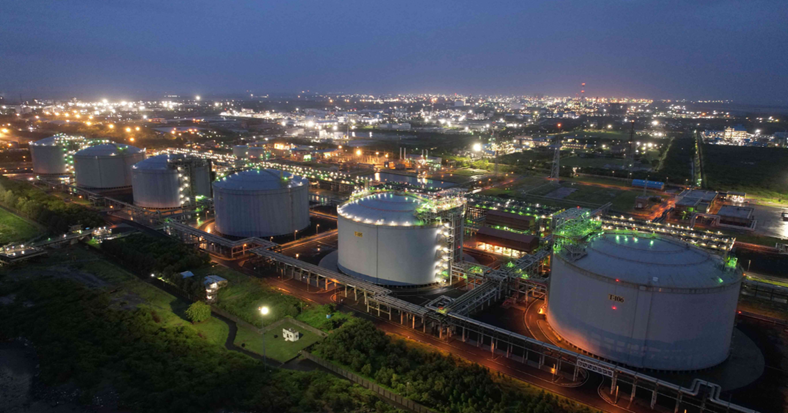
At the receiving end, Petronet’s Dahej
terminal has kept running on alternative volumes. The ExxonMobil contract for
Australian LNG has been unaffected, and third-party capacity holders at the
terminal are bringing in cargoes from other sources. Utilisation is lower
against the terminal’s expanded capacity, Singh said, but “volume-wise, more or
less we are in the same range.
Related News