Iran targets ship navigation systems on Omani island, damage unclear
The three sources did
not provide a damage assessment and Reuters could not determine
independently if any navigation systems were destroyed in the attacks that
Tehran had claimed on Tuesday.(10 Nov)
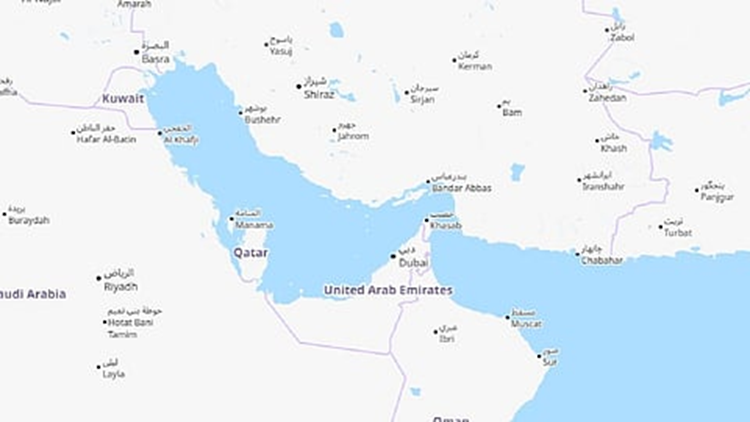
Gulf exporters have been increasingly using workarounds to increase oil
flows via Hormuz, such as ship-to-ship transfers (STS) off the coast of Oman
and the United Arab Emirates. The US
military has been aiding commercial vessels transiting the Strait after Iranian
attacks disrupted traffic since the US-Israeli war on Iran began in late
February. The attacks on Didamar island
would likely have limited impact on commercial shipping in the strait, two
other shipping sources and an additional maritime security source said. One
said that was because other systems were in place elsewhere. Iranian state media said on Tuesday that
the Islamic Revolutionary Guard Corps had carried out strikes destroying
"enemy navigation systems" on Didamar island. Reuters confirmed smoke rising
from the island in video footage but it was unclear what was burning. An image
from the EU's satellite programme Copernicus also showed thermal activity. The attacks come as gulf oil exports
recovered to over 80 per cent of pre-war levels in September and October, aided
by US military-assisted flows through the Strait and higher Saudi exports via
the Red Sea port of Yanbu. The US
military's Central Command and Oman's media ministry did not immediately
respond to requests for comment.
Bigger tankers, mostly very large crude
carriers (VLCC), shuttle oil from gulf ports to ship-to-ship transfer locations
near Oman's Sohar and the UAE's Fujairah.
Related News