India Renews $104 Million Offer to Develop Indonesia’s Sabang Port as Regional Transshipment Hub
Iskandar said India
had reiterated its proposal five times since 2018, including during high-level
bilateral meetings between Indonesian President Prabowo Subianto and Indian
Prime Minister Narendra Modi. An Indian consultancy study, conducted in 2021
and completed in 2023, estimated the development investment at US$104 million. Under the proposed financing arrangement,
India would contribute 80–85% of the investment, while Indonesia would fund the
remaining 15–20%. The proposal was submitted through Indonesia’s Ministry of
Foreign Affairs and the Ministry of National Development Planning (Bappenas). Despite the offer, development remains
stalled, with BPKS urging the central government to establish a clear national
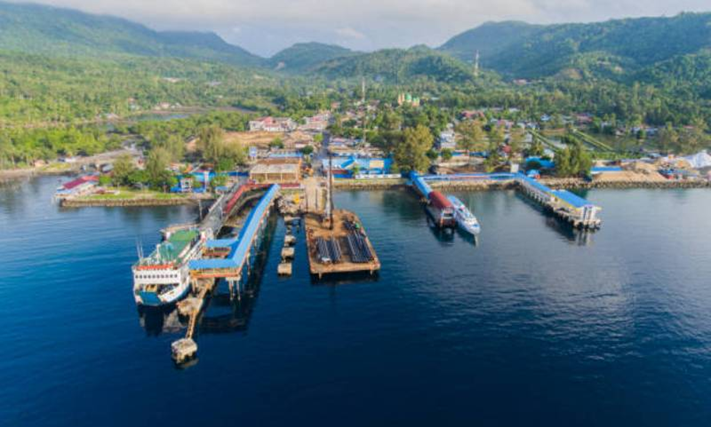
strategy for the port. Sabang was envisioned as a strategic free trade and
transhipment centre along international shipping routes. Its CT3 container
terminal, covering approximately 12 hectares, has already been developed, but
its intended transhipment role remains unrealised. Meanwhile, BPKS is exploring alternative
opportunities, including positioning Sabang as a logistics base for oil and gas
exploration in the Andaman region. The port requires additional open storage
yards and warehouses to support these operations. Its existing warehouse
capacity of around 4,000 sq m needs to be expanded to approximately 10,000 sq m. Cruise tourism is another potential
growth area, with vessels carrying up to 2,000 passengers offering
opportunities for local businesses. BPKS estimates that an eight-hour tour
package priced at US$100 per passenger could generate up to US$200,000 in
transactions from a fully participating vessel.
To accelerate infrastructure development, BPKS
is also discussing alternative financing mechanisms with Bappenas, including
foreign loans and grants, with potential support from the Asian Development Bank
(ADB)
Related News