Indian Customs Brokers threaten Cargo Boycott as empty container handling charges spark industry-wide dispute
A growing dispute
over empty container handling charges and their collection through nominated
third-party container depots has triggered concerns across India’s shipping and
logistics industry, with customs brokers raising objections to the revised
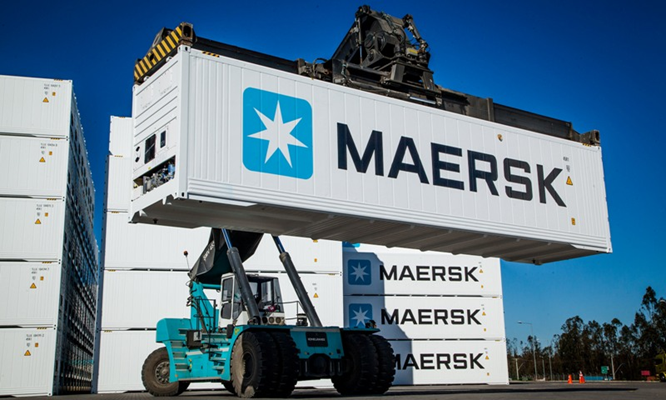
tariff structures and payment arrangements adopted by certain shipping lines. The issue has gained prominence following Maersk’s substantial revision of
lift-on/lift-off (LO-LO) charges for empty containers at Mundra Port and
a decision by the Chennai Customs
Brokers Association (CCBA) to
threaten a boycott of MSC export shipments from November 15, 2026,
unless the shipping line withdraws its existing arrangement for collecting such
charges through nominated third-party container yards. The developments have brought into focus
wider concerns surrounding transparency in the determination and collection of
container-related charges, the role of private depot operators and the
increasing financial burden on customs brokers, exporters and other EXIM trade
stakeholders. At Mundra, Maersk has reportedly revised its LO-LO charges for empty
containers with effect from November 1, 2026, introducing a significant
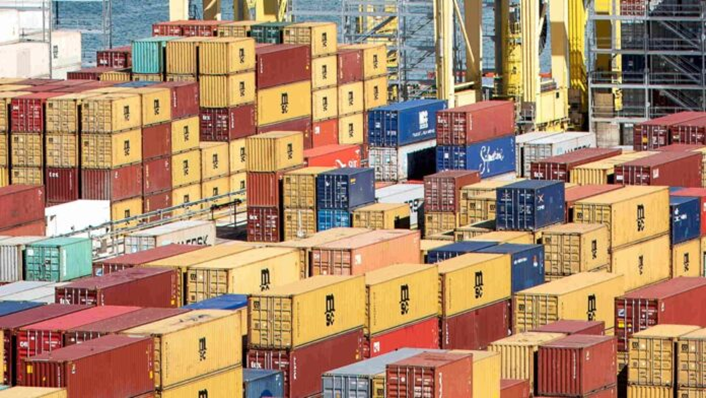
increase in the amounts payable for handling empty boxes. Under
the revised tariff, the charge for a
20-foot empty container has increased from US$23 to US$51, while the
charge for a 40-foot empty container has gone up from US$31 to US$67. The revised rates represent increases of
approximately 122% and 116%, respectively, placing additional cost pressure on
businesses involved in containerised cargo movements. The revised arrangement reportedly
requires customers to make payments directly to the nominated depot service
providers responsible for handling the empty containers. The substantial revision has raised
questions among trade stakeholders about the basis for such increases, the
mechanism governing the collection of these charges and the extent to which
exporters, importers and their logistics partners can influence or verify the
charges levied by nominated service providers. The dispute has taken a more pronounced
turn in Chennai, where the Chennai Customs Brokers Association has decided to
oppose MSC’s existing mechanism for collecting LO-LO charges through nominated
third-party empty container yards. At
an Extraordinary General Body Meeting held on October 29, 2026, the association
unanimously resolved to boycott MSC export shipments from November 15 if the
shipping line does not withdraw the disputed collection arrangement. The association has also indicated that it
may extend the proposed boycott to MSC import consignments from December 15,
2026, should the matter remain unresolved.
According to CCBA President S. Natarajan, the association’s principal
concern is not the payment of legitimate operational charges but the manner in
which these amounts are determined and collected. The association maintains that charges
relating to shipping line services should be raised and collected directly by
the concerned shipping lines through their authorised invoicing systems, rather
than placing the collection responsibility with privately operated third-party
depot service providers. Customs
brokers have expressed concerns over the absence of sufficient transparency in
the tariff-setting process, the possibility of arbitrary increases and the lack
of clarity regarding accountability when additional charges are disputed by
cargo owners. The association has
also highlighted the financial difficulties faced by customs brokers, who
frequently have to coordinate payments on behalf of exporters and importers
while extending credit facilities to their clients. According to CCBA, customs brokers in
Chennai often provide credit periods of nearly two months or even longer after
cargo clearance. When additional charges are imposed by third-party service
providers, brokers may find themselves responsible for making payments upfront
while facing delays or resistance in recovering the amounts from their
customers. This situation could
expose customs brokers to additional working-capital requirements and
commercial risks, particularly when there is disagreement over the legitimacy
or quantum of the charges. The
association has further pointed to the sharp escalation in empty container
handling charges at certain Indian ports. It has cited instances where charges
that were approximately ₹1,000 around five years ago have reportedly increased
to ₹7,500–₹8,000 at some locations. In
contrast, the corresponding charges in Chennai are stated to be in the range of
approximately ₹800–₹1,000. These
figures, cited by the association, have intensified concerns within the trade
community about the absence of a transparent and consistent approach towards
empty container handling tariffs across ports. The issue is not confined to the two ports
where the recent developments have attracted attention. Industry reports indicate that similar
third-party collection arrangements are also being followed by certain shipping
lines at Jawaharlal Nehru Port Authority (JNPA), Nhava Sheva, where nominated
empty container yards are reportedly collecting LO-LO charges directly from
shippers. There are also concerns
that other shipping lines may consider introducing similar arrangements at
Mundra. CCBA has indicated that its
objections could extend beyond MSC if comparable practices are adopted by other
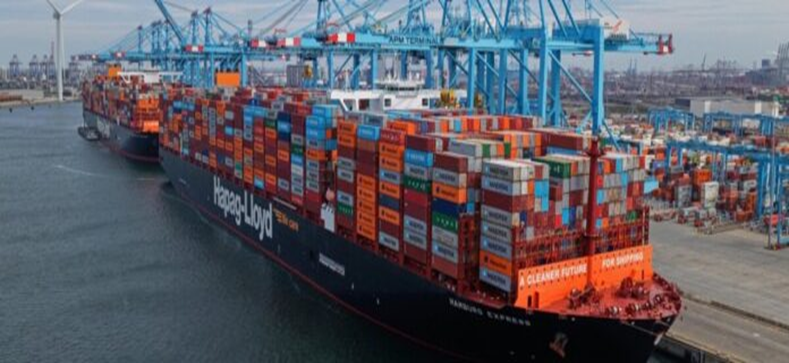
shipping companies, including Maersk, Hapag-Lloyd and CMA CGM. Such a development could widen the
dispute and bring more shipping lines, container depots and trade associations
into the debate over the appropriate mechanism for levying and collecting empty
container handling charges. The
growing disagreement comes at a time when India is seeking to strengthen its
international trade competitiveness, expand exports and improve the efficiency
of its logistics ecosystem. Container
handling costs, repositioning expenses and empty container movements form an
important part of the overall logistics cost structure. Any significant
increase in these expenses can have a cascading effect on exporters, importers,
freight forwarders, customs brokers and other supply chain participants. For exporters operating on tight margins,
additional charges can affect shipment economics and competitiveness in
overseas markets. Importers may also face higher landed costs, while customs
brokers and freight forwarders could encounter increased financial exposure
when required to facilitate payments on behalf of their customers. More importantly, if the proposed boycott
in Chennai proceeds, it could create operational challenges for exporters using
MSC services through the port, depending on the participation of customs
brokers and the availability of alternative arrangements. The situation therefore calls for
constructive engagement between shipping lines, customs brokers, depot
operators and the wider EXIM trade community. The emerging controversy highlights the
importance of establishing clear and transparent procedures for the
determination, communication and collection of empty container handling
charges. While shipping lines and
container depot operators have their respective commercial and operational
responsibilities, the trade community needs clarity on the services covered by
such charges, the authority under which they are levied, the basis for tariff
revisions and the party accountable for addressing disputes. Direct invoicing by shipping lines,
advance communication of revised tariffs, clearly documented service
arrangements and an effective grievance-redressal mechanism could help minimise
misunderstandings and prevent unnecessary friction between service providers
and cargo owners. The developments
at Mundra, Chennai and JNPA have placed an important industry issue in the
spotlight. How the concerned parties address the dispute could have
implications extending well beyond individual shipping lines or container
terminals.
For India’s
maritime logistics sector, maintaining a transparent, predictable and
commercially sustainable cost structure is essential to ensuring smooth cargo
movement and supporting the country’s ambitions to become a more competitive
global trading and logistics hub.
Related News