




Office Address
123/A, Miranda City Likaoli Prikano, Dope
Phone Number
+0989 7876 9865 9
+(090) 8765 86543 85
Email Address
info@example.com
example.mail@hum.com


123/A, Miranda City Likaoli Prikano, Dope
+0989 7876 9865 9
+(090) 8765 86543 85
info@example.com
example.mail@hum.com
Brent crude
futures rose 2% to $107.46 a barrel by 09:51 ET (13:51 GMT), while U.S. West
Texas Intermediate gained also 2% to $96.29 a barrel. A spike well beyond
current levels cannot be ruled out, according to Tamas Varga, analyst at PVM
Oil Associates. “One must not rule out a pop above $150, if the conflict drags
on,” he told Investing.com, adding that in the event of a prolonged disruption,
supply losses would exceed demand destruction.
“Alternative
energy is not readily available in vast quantity to make up for the shortfall.
Consequently, consumers will have no choice but to live with higher oil
prices,” Varga said. While the U.S.-Iran negotiations have stalled, investors
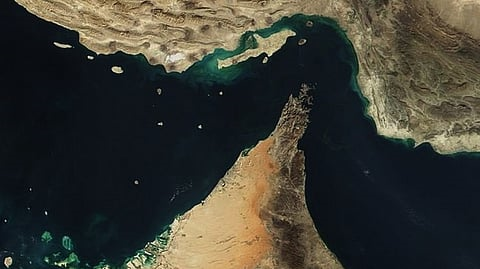
were monitoring reports that Iran has submitted a new proposal to reopen the
Strait of Hormuz and end the war, which was first reported by Axios.
The offer
also proposes deferring discussions over Iran’s nuclear program, a condition
likely to meet resistance in Washington, which has demanded Tehran hand over
its uranium stockpiles and cease all nuclear activities.
U.S.
President Donald Trump cancelled a planned trip by American officials to
Pakistan for Iran talks over the weekend, shortly after Iranian officials
departed Islamabad. Trump had indefinitely extended a ceasefire with Iran
earlier in April, but the two sides remain far apart. Iran has called for the lifting of a U.S.
naval blockade of Iranian ports, while Washington has insisted on a reopening
of the Strait of Hormuz before any substantive peace talks can begin.
Varga warned that even a resolution to the
conflict would not immediately ease market anxiety. “Even if the conflict ends
today, the risk premium will remain elevated for a long period of time, even if
the oil balance loosens considerably,” he said. The fragile Israeli-Lebanon
ceasefire, he added, was already making investors uncomfortable, with the risk
of renewed strikes on regional oil infrastructure a live concern should
hostilities escalate again.