




Office Address
123/A, Miranda City Likaoli Prikano, Dope
Phone Number
+0989 7876 9865 9
+(090) 8765 86543 85
Email Address
info@example.com
example.mail@hum.com


123/A, Miranda City Likaoli Prikano, Dope
+0989 7876 9865 9
+(090) 8765 86543 85
info@example.com
example.mail@hum.com
Global fuel
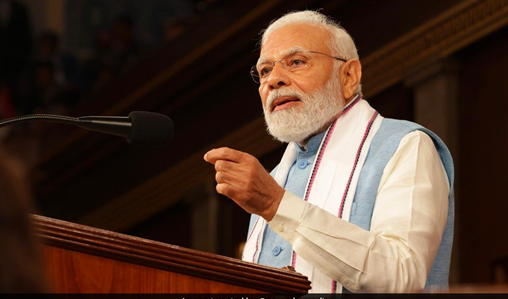
costs have surged, Modi said in a public address in the southern city of
Hyderabad, appealing to Indians to use public transport, work from home, and
carpool to conserve fuel. India is the
latest among the growing number of Asian countries encouraging lower fuel
consumption as energy costs climb amid tensions in the Middle East.
On Sunday, President Donald Trump said Iran’s
counterproposal to end the war with the U.S., and Israel was “TOTALLY
UNACCEPTABLE!”, dashing hopes of peace and pushing global oil prices higher.
India
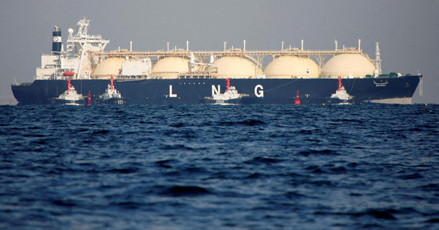
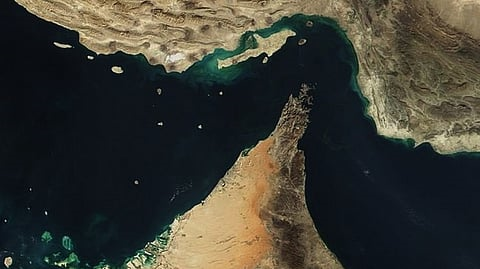
imports nearly 85% of its fuel needs and relies on the Strait of Hormuz for
about 50% of its crude imports, 60% of its liquefied natural gas, and almost all
of its liquefied petroleum gas (LPG) supplies.
Higher energy costs are expected to significantly widen the country’s
trade deficit and current account deficit. The rupee has also come under strain
and is trading near an all-time low against the dollar.
Modi said
reducing foreign travel and gold imports would help conserve foreign currency
reserves as higher oil prices increase pressure on India’s import bill.
Shares of Indian jewelry companies fell by as much as
10% on Monday, with the stock of the Tata group-owned jeweler Titan falling
nearly 6% in early trade.
Shares of Indian flight carrier IndiGo’s also fell
2.8%. The airline is expanding its services on international routes and expects
overseas flights to account for 40% of daily services by 2030, according to
local media reports. India spent $174.9 billion on crude and
petroleum products, or 22% of its total imports in the financial year ended
March 2026, highlighting the economy’s dependence on overseas commodities. The
country is the world’s second-largest gold buyer after China, spending nearly
$72 billion on gold imports. About 32.7 million Indians traveled abroad in
2025, including more than 14 million leisure travelers. “The Middle East conflict represents a
historically large energy shock with asymmetric macro risks,” said global
brokerage UBS Securities in a May 4 note, lowering its forecast for India’s
economic growth in the financial year ending March 2027 to 6.2% from 6.7%
earlier.
“I don’t
believe that a [economic] shock is around the corner,” said Nirupama Rao,
former Indian ambassador to the U.S., China and Sri Lanka, told CNBC’s Inside
India on Monday. However, she said the country faces “difficult times ahead”
unless there is peace or a resolution of the crisis in the Middle East.
Despite pressure on the economy, the government has
kept retail fuel prices at the pump stable and instead opted to cut taxes to
ease the burden on oil companies. With pump prices remaining stable, demand for
fuel has remained unaffected.
Analysts have
expected Modi’s government to introduce tougher economic measures after his
ruling Bharatiya Janata Party won recent elections held in a few key states,
but those policy changes have yet to emerge.
In March, India’s chief economic advisor, V.
Anantha Nageswaran, warned that the country’s trade deficit would “rise
significantly” in the next financial year ending March 2027. “Keeping it manageable will require
burden-sharing between the government, via fiscal absorption, and households
and businesses,” Nageswaran had said.