


Office Address
123/A, Miranda City Likaoli Prikano, Dope
Phone Number
+0989 7876 9865 9
+(090) 8765 86543 85
Email Address
info@example.com
example.mail@hum.com


123/A, Miranda City Likaoli Prikano, Dope
+0989 7876 9865 9
+(090) 8765 86543 85
info@example.com
example.mail@hum.com
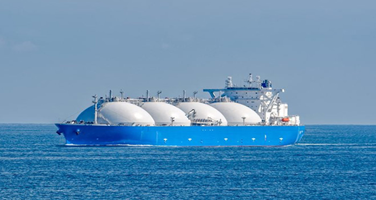
Since initiating LNG
bunkering operations in 2016, FortisBC has steadily expanded its capabilities
and partnerships―including a landmark agreement with the Musqueam Indian Band to collaborate on LNG
projects― helping vessel operators transition away from higher‑emitting fuels.
FortisBC continues to focus on meeting demand and advocating for expanded LNG
refuelling infrastructure to position British Columbia as a leading marine
bunkering hub. “Reaching our 10,000th
LNG bunkering delivery is a testament to the innovation, collaboration and long‑term
commitment that defines FortisBC’s approach to providing increased access to
lower carbon intensity marine energy compared with traditional marine fuels,”
said Mike Leclair, vice president of major projects and LNG at FortisBC. “This
milestone reflects not just the growth of our LNG capabilities, but also the
shared effort to build a sustainable future for marine transportation with
made-in-B.C. refueling solutions.”
The delivery follows a year of noteworthy firsts at
the Port of Vancouver for LNG produced at the FortisBC’s Tilbury facility and
delivered through Seaspan Energy LNG bunker vessels, including Canada’s first
ship-to-ship LNG transfer, the first LNG transfer to a car carrier and the
first cruise ship bound for Alaska fueled with LNG. In Vancouver’s English Bay,
the first ship-to-ship LNG transfer to a container vessel was also completed.
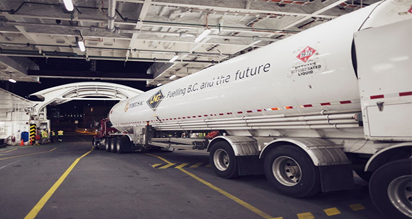
A key driver of this growth in LNG bunkerings has been FortisBC’s collaboration with Seaspan Ferries and BC Ferries to develop proprietary tanker‑truck technology that enables safe and efficient LNG fuelling directly onboard vessels. The Seaspan Swift ferry was the first in North America to receive LNG fuel via delivery truck on-board an open vehicle deck. “As Canada looks to double exports to non-U.S. markets in the next 10 years, the Port of Vancouver will play an outsized role in moving more of what Canadians make, mine, harvest and grow–and we know that must be done with care for the environment,” said Alexa Young, vice president of government, external and environmental affairs at the Vancouver Fraser Port Authority. “LNG bunkering has an important part to play as the first alternative fuel available in significant quantities for the maritime sector. We’ve seen cruise, cargo and container ships all embrace LNG since its introduction to the port last year through approved provider Seaspan Energy, helping reduce air pollutant emissions while keeping Canadian cargo moving.”