


Office Address
123/A, Miranda City Likaoli Prikano, Dope
Phone Number
+0989 7876 9865 9
+(090) 8765 86543 85
Email Address
info@example.com
example.mail@hum.com


123/A, Miranda City Likaoli Prikano, Dope
+0989 7876 9865 9
+(090) 8765 86543 85
info@example.com
example.mail@hum.com
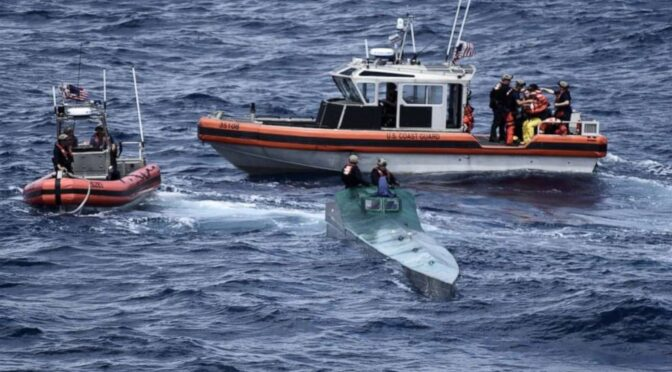
In late May 2026, federal authorities in the United States conducted a
high-profile seizure of approximately 500 pounds of cocaine aboard the
Liberia-flagged crude oil tanker Aquatravesia, which had docked at
the Port of Los Angeles. The seizure, carried out by the Department of
Homeland Security (DHS), U.S. Coast Guard, and Immigration and Customs
Enforcement (ICE), involved specialized canine inspections and targeted
enforcement of maritime law. A 43-year-old crewmember of Philippine nationality
was arrested in
connection with the smuggling attempt. The incident serves as a contemporary
case study of how maritime criminal networks exploit legitimate shipping
routes to transport illegal narcotics, and it underscores the complex
operational, legal, and compliance challenges facing the global maritime
industry.
Background: Global Maritime Smuggling Trends
Maritime trafficking of illegal drugs has evolved significantly over the past
two decades. Smugglers increasingly leverage large commercial vessels —
including container ships, bulk carriers, and oil tankers — to move
narcotics across oceans.
To read full article, please click news extension