




Office Address
123/A, Miranda City Likaoli Prikano, Dope
Phone Number
+0989 7876 9865 9
+(090) 8765 86543 85
Email Address
info@example.com
example.mail@hum.com


123/A, Miranda City Likaoli Prikano, Dope
+0989 7876 9865 9
+(090) 8765 86543 85
info@example.com
example.mail@hum.com
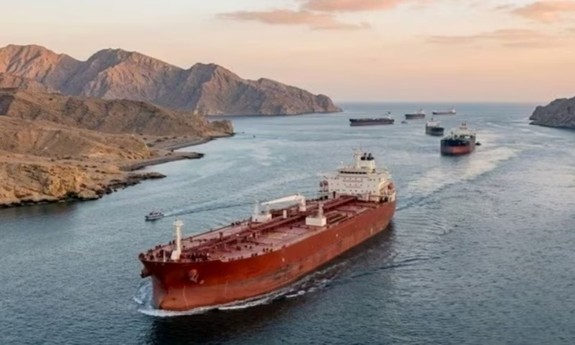
The controlled
passage comes amid continued restrictions on general maritime traffic through
the vital waterway, with Iranian authorities maintaining strict oversight over
vessel movements. Officials are reportedly vetting individual transit requests
and selectively approving ships for passage through the chokepoint, one of the
world’s most important energy and trade corridors. Amid growing speculation that Iran may be imposing
transit charges on vessels using the Strait, Tehran on Monday denied reports
that it is collecting “tolls” from ships passing through the waterway.
Speaking during a weekly press briefing, Iranian
Foreign Ministry spokesperson Esmail Baghaei stated that Iran is “not seeking
to collect tolls,” while noting that services related to maritime safety,
environmental protection and navigation management could involve associated
service fees. “We are not seeking to collect tolls; the actions of Iran and Oman to
develop a protocol for the safe passage of ships are a responsible step,”
Baghaei said, according to Iranian state media. He added that Iran and Oman are jointly
working on a framework aimed at ensuring safe maritime transit through the Strait
of Hormuz, while also addressing regional security concerns. Baghaei stressed that both countries
support the use of the strategic waterway for “free trade and safe passage,”
but argued that heightened monitoring measures are necessary due to what Tehran
describes as previous misuse of the Strait for military operations against
Iran. The remarks come as Tehran
moves to formalise and institutionalise its oversight of the critical maritime
corridor. Earlier this month, Iran launched the Persian Gulf Strait Authority
(PGSA), a new regulatory mechanism aimed at managing and monitoring operations
related to the Strait of Hormuz. The
announcement was amplified by Iran’s Supreme National Security Council, which
confirmed that the official social media account of the PGSA is now operational
and will provide updates on Hormuz Strait operations and developments.
The Strait of
Hormuz remains one of the world’s most strategically significant maritime
chokepoints, handling a substantial share of global oil and LNG trade, making
any disruption or regulatory tightening in the region closely watched by the
international shipping and energy sectors.