India Tells Seafarers to Assess Risk before Taking Black Sea Ship Jobs after Five Deaths
The advisory issued by
the Ministry of External Affairs on 26 July describes the security situation in
the Black Sea and adjoining maritime areas as highly volatile because of the
continuing Russia-Ukraine conflict, with commercial vessels in those waters facing
significant risks from missile and drone attacks. The warning was published on the same
day the Embassy of India in Ukraine confirmed that four Indian nationals were
on board the merchant vessel AGN Ragnar when it was struck at the Port of Odesa,
with two of them confirmed safe and information still awaited on the remaining
two while search and rescue operations continued. Four of the five Indian nationals aboard
the bulk carrier Golden Leo were killed and a fifth was hospitalised in critical
condition when the vessel was attacked on the evening of 19 July while
departing Odesa with a cargo of grain, according to the MEA, which said 17 crew
members were on board at the time and that eight were evacuated to a hospital
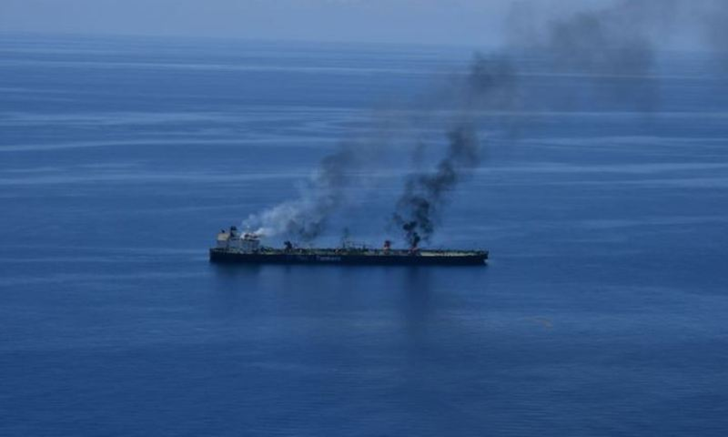
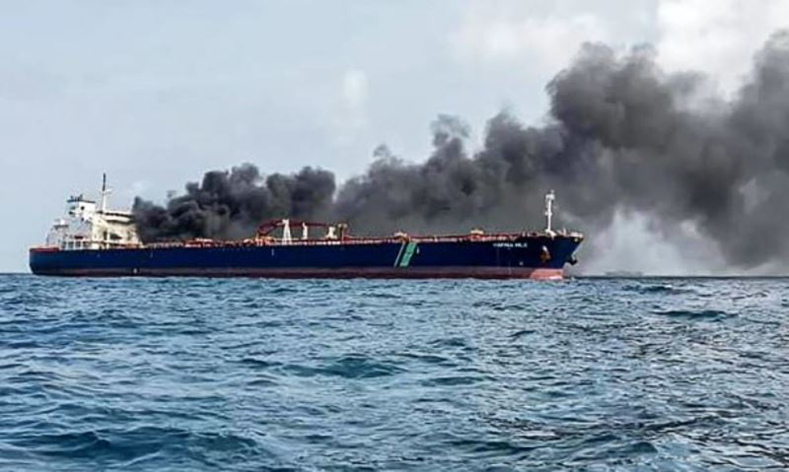
in the city. The Ukrainian Navy attributed the strike to three
cruise missiles, one of which it said hit the starboard side of the
Guinea-Bissau-flagged ship’s superstructure and started a fire, while the
Russian Ministry of Defence stated that its forces had struck Ukrainian ports
and vessels operating in the interests of Ukraine’s armed forces. The MEA
condemned the attack without assigning responsibility for it.
A day earlier, the commercial vessel OMORFI was
attacked while transiting the Black Sea in what the MEA described as reportedly
Russian territorial waters, killing one of the three Indian nationals among its
10 crew members, with the other two reported safe.
The Directorate General of Maritime Administration
had already instructed Indian-flagged vessels and foreign-flagged ships
employing Indian crew to exercise the highest degree of caution in the region
in an advisory issued on 23 July, which called for voyage-specific security
risk assessments before entry and counted 10 attacks since April involving
Indian seafarers serving aboard foreign-flagged ships. Seafarers
who still take up such assignments have been asked to obtain full information
from employers, recruitment agencies and ship operators on the intended route,
ports of call, security arrangements, insurance cover and emergency response
procedures, and to confirm that their terms of employment meet applicable
international maritime standards and provide for medical care, evacuation,
repatriation and compensation. The ministry also asked them to keep families
informed of their itineraries, maintain regular contact, follow instructions
issued by vessel operators, and use the emergency numbers published for the
Indian embassies in Russia and Ukraine.
India is among the largest suppliers of crew to the world fleet, with
more than 320,000 active seafarers recorded in 2025 and Indian nationals
accounting for roughly 12 percent of the global seafaring workforce according
to figures cited by the Directorate General of Shipping, and the overwhelming
majority of them sail aboard foreign-flagged tonnage. The Black Sea advisory follows the
regulator’s instruction earlier in July asking Indian and foreign shipowners
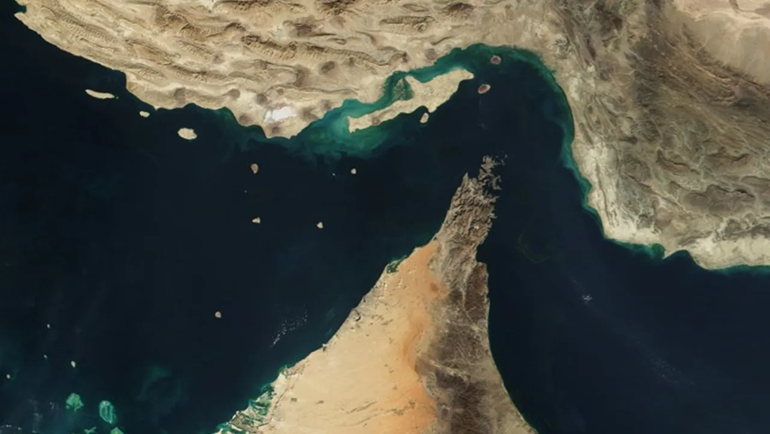
not to deploy Indian seafarers on vessels transiting the Strait of Hormuz, and
a June circular restricting their deployment to conflict areas in the Gulf
region except for emergency crew changes made with the seafarer’s consent. New
Delhi summoned Russia’s ambassador after the Golden Leo attack, and the Indian
mission in Kyiv said it remains in contact with Ukrainian authorities over the
two seafarers still unaccounted for from the AGN Ragnar.
Related News