India Flags Seafarer Safety, Rule-Based Maritime Order at UNSC
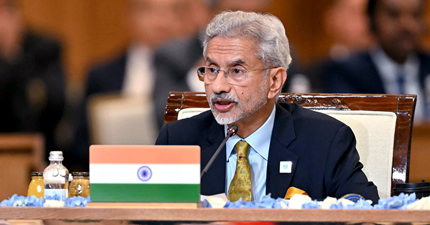
External Affairs Minister S Jaishankar
said India will work to ensure that a free, open and rule-based maritime order,
including stronger protections for seafarers, receives the “attention it
deserves” at the world body. He underlined that securing maritime lifelines and
keeping global sea routes safe is vital for international trade and economic
stability. Jaishankar highlighted that
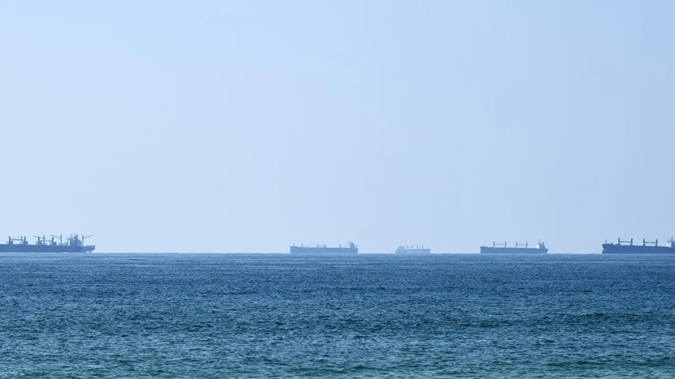
India’s candidature comes at a time when global sea lanes face rising threats,
making maritime security a collective responsibility for the international
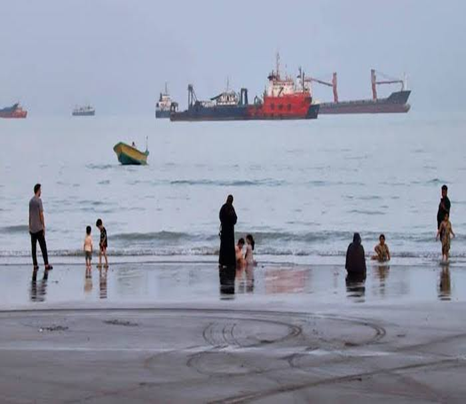
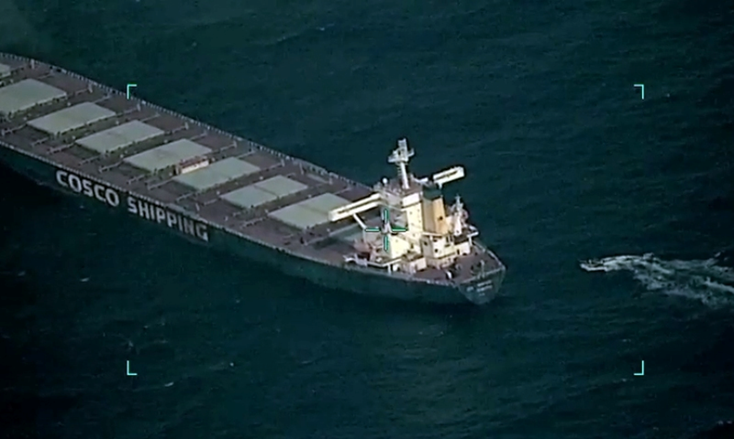
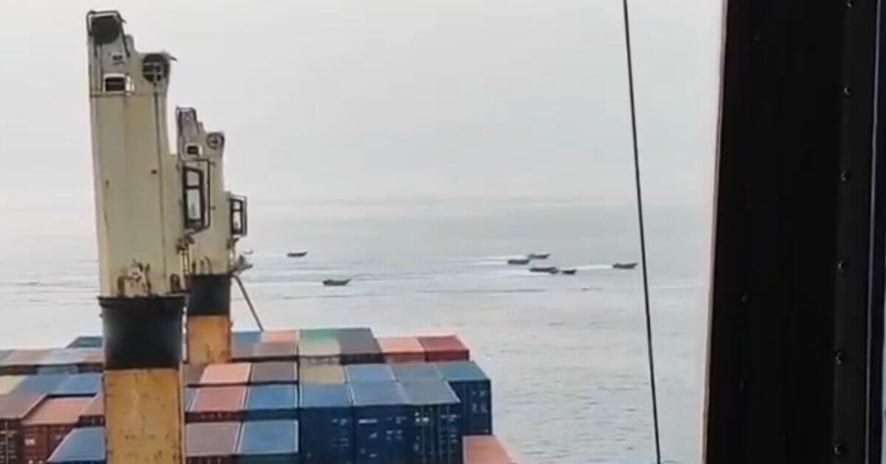
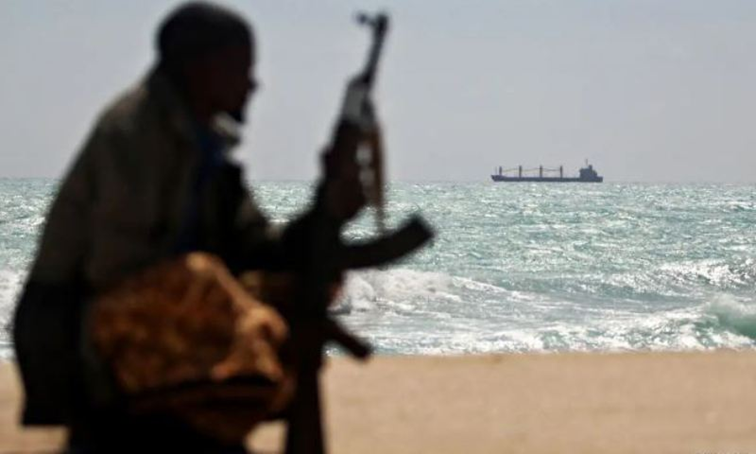
community. The minister pointed out that recent attacks on commercial vessels
and incidents involving seafarers have reinforced the need for a stronger
global framework on safety at sea. India, he noted, intends to use its UNSC
term, if elected, to push for practical steps to protect shipping, ports and
seafarers worldwide. Jaishankar said India will focus on safeguarding maritime
commons to ensure that oceans remain open, secure and governed by international
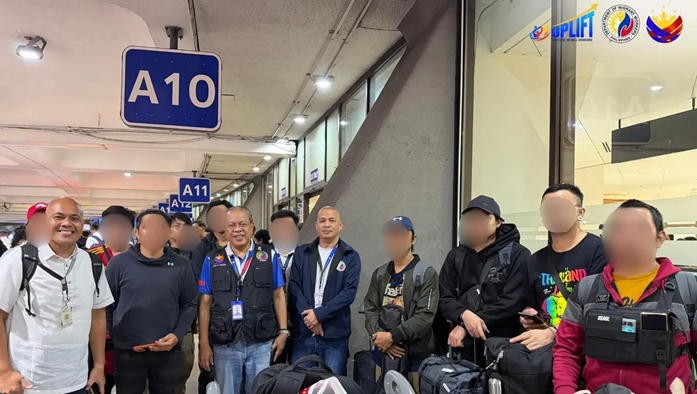
law. He stressed that seafarers — who keep global supply chains moving — must
be protected from escalating risks such as attacks on merchant vessels and
disruptions in key sea corridors. Ensuring that maritime lifelines are not
threatened will be a central part of India’s approach at the Security Council,
he added.
Another
major plank of India’s UNSC campaign will be countering terror financing
through sustained, coordinated global action. Jaishankar underlined that
tackling the financial networks that support terrorism is essential to
strengthening overall security, including in the maritime domain. He said India
will push for stronger implementation of existing UN mechanisms and better
international cooperation to address these threats.government.economictimes.
The External Affairs Minister
also listed India’s broader priorities for its UNSC bid, including acting as a
voice for the Global South and advancing reformed multilateralism. India will
advocate for fairer representation and more responsive global institutions that
reflect contemporary geopolitical realities and the concerns of developing
countries. Jaishankar said this agenda extends to areas such as future-ready
peacekeeping, responsible use of emerging technologies and inclusive
decision-making on global security issues. He noted that India wants
peacekeeping operations to be better equipped and more attuned to new
challenges, including those arising from technological change. Addressing
threats linked to the misuse of artificial intelligence was identified as
another priority, with India calling for global norms that prevent abuse while
enabling beneficial innovation. Together with securing maritime commons and
countering terror financing, these themes will form the backbone of India’s
campaign narrative for the 2028–29 UNSC term.
Related News