



Indian Exporters Face Freight Disruptions as Singapore, Colombo Transhipment Hubs Hit Congestion
According to a report by the
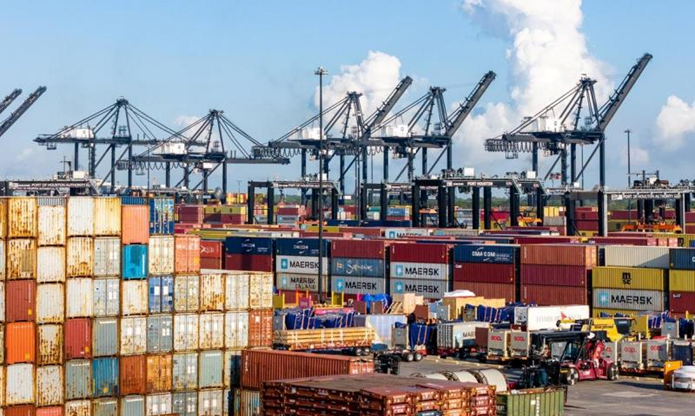
Economic Times, the congestion at the two key hubs is affecting the movement of
Indian export cargo, with exporters experiencing delays and increasing
uncertainty over vessel availability.
The situation has been further aggravated by a sharp increase in
China-US trade, which is absorbing a larger share of the global container
fleet. Shipping lines are deploying more vessels and containers on the China-US
trade corridor, leaving fewer containers and feeder vessels available for other
markets, including India. The
disruptions come at a time when Indian exporters are already dealing with
elevated freight costs, longer transit times and vessel schedule uncertainty
caused by wider geopolitical and shipping-route disruptions. The congestion at Singapore and Colombo
is particularly significant because both ports serve as important transhipment
gateways for Indian cargo moving to global markets. Any disruption at these
hubs can have a cascading impact on cargo schedules, feeder connections and
delivery timelines. For exporters, the shortage of feeder capacity means containers may face
longer waiting periods before being connected to mainline vessels. This can
increase the risk of missed sailings, delayed deliveries and additional
logistics costs. The latest disruption highlights the
vulnerability of India’s export supply chains to congestion at overseas
transhipment hubs and reinforces the need to develop stronger direct shipping
connectivity and domestic transhipment capacity.
With global shipping networks
being repeatedly reshaped by geopolitical tensions, changing trade flows and
capacity reallocation, Indian exporters are increasingly being forced to
navigate a volatile freight market where vessel availability and transit
reliability remain major concerns.
Related News