


False Flags and Fraudulent Registries: The Hidden Threat to Global Shipping
Rather than sailing
under recognized flag states, many tankers now claim registration with
registries that do not exist, have been shut down, or have publicly revoked
large numbers of certificates. These vessels are not disappearing from trade.
They are remaining active while exploiting gaps between documentation checks,
AIS self-reporting, and jurisdictional authority. The result is a growing population of
vessels that appear compliant on the surface but lack the legal foundations
that underpin insurance, classification, and enforcement.
As 2025 drew to a
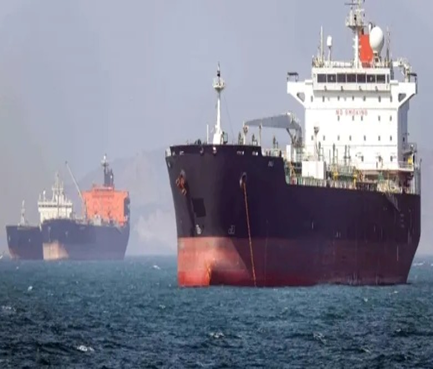
close, approximately 285 internationally trading tankers were broadcasting via
AIS under the flag of a fraudulent or unknown registry, according to Windward
analysis. Windward identified 18 such fraudulent registries, as defined by the
International Maritime Organization (IMO). A striking 91% of vessels using
these fraudulent registries were already sanctioned by Western authorities,
underscoring the increased pressure dark fleet tankers face in finding a
legitimate regulatory home to continue trading. The most frequently used
fraudulent registries were Guinea (51 ships), Netherlands Antilles (45), Guyana
(44), and Aruba (24).
Fraudulent
registries persist because the global maritime system has been built to rely
heavily on declared information.
AIS broadcasts, paper certificates, and self-reported flag data are
often accepted at face value unless something visibly goes wrong. This creates
an opening for registries that operate through cloned websites, forged
certificates, or unofficial intermediaries. In other cases, vessels continue to
claim flags from registries that were dismantled or stripped of international
recognition years ago.
For high-risk operators, these registries provide a way to remove
accountability without removing visibility. The vessel keeps moving, cargo
keeps flowing, and responsibility becomes difficult to assign.
False flagging does not occur in isolation. It sits at the center of a
broader shadow fleet ecosystem that includes both sanctioned and pre-sanction
risk vessels…False flagging has evolved
from an isolated tactic to a structural feature of deceptive shipping
networks. A Windward analysis examined
more than 540 tankers and gas carriers linked to Iran-related trade. Nearly 40%
were found to be falsely flagged, either by using fraudulent registries or by
falsely claiming registration with legitimate flag states, based on International
Maritime Organization records. More than 300 of these vessels were already
sanctioned by the United States, the United Kingdom, or the European Union.
Many were older tankers, averaging 22 years of age, operating without valid
insurance or recognized certification once their false flag status was
established. Many of these vessels were
already sanctioned, but the larger risk lies beyond enforcement. Once a vessel
is falsely flagged, insurance, class certification, and flag-state oversight
are effectively void. Yet many of these ships continued operating through major
maritime routes, conducting ship-to-ship transfers, manipulating GNSS signals,
and cycling through multiple flags in short timeframes.
The result is a
growing population of tankers that appear compliant on paper but operate
outside the global rules-based order. For compliance teams, insurers, P&I
clubs, and port authorities, this creates a dangerous blind spot where
documentation can no longer be trusted without independent verification. This is the hidden threat posed by false
flags. They undermine the assumptions that global shipping relies on to manage
risk, safety, and accountability. False flagging is frequently paired with
other deceptive shipping practices…False
flags weaken the commercial and legal infrastructure that global shipping
depends on to function predictably. When a vessel claims a fraudulent or
nonexistent registry, the mechanisms that underpin maritime trade begin to
fail. Flag-state responsibility becomes unenforceable. Insurance and
classification linked to that flag may be invalid, suspended, or impossible to
verify. Yet on paper, the vessel can still appear compliant, moving through
ports, anchorages, and shipping lanes as part of normal trade. This creates systemic risk. Commercial
counterparties may unknowingly engage with vessels that are effectively
uninsured, improperly classed, or outside any clear legal jurisdiction. In the
event of an incident, collisions, pollution, cargo loss, or crew injury, liability
becomes contested or unassignable, delaying response and shifting costs across
the supply chain.
At scale,
widespread false flagging erodes confidence in documentation, registries, and
compliance processes that global shipping relies on to move safely and
efficiently. It increases operational uncertainty, distorts risk pricing, and
exposes legitimate operators to cascading consequences from vessels designed to
operate without accountability. Windward enables organizations to replace assumption-based screening
with verified maritime intelligence. KYV™ evaluates vessels using behavioral
history, ownership structures, sanctions exposure, and registry status to
surface identity risk early. Document Validation checks whether flag
certificates, registry claims, and voyage paperwork align with authoritative
sources. Remote Sensing Intelligence independently confirms where vessels
actually operate, exposing false flags, AIS spoofing, and identity manipulation
even when cooperative systems appear clean.
Together, these
capabilities allow regulators, insurers, and compliance teams to act before
exposure becomes liability. They
undermine insurance coverage, distort risk pricing, weaken port state control,
and allow sanctions evasion networks to scale. As enforcement pressure grows,
registry fraud is accelerating rather than receding. Addressing this threat requires verifying
identity, behavior, and documentation together. Without that, fraudulent
registries will continue to hollow out global maritime governance from within.
Related News