



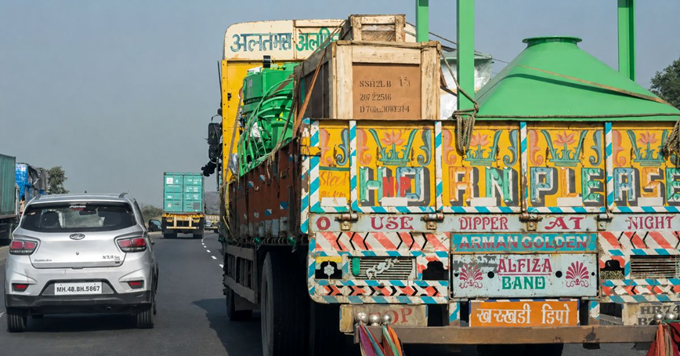
CNG trucks face phase-out in Delhi-NCR as CAQM mandates shift to electric
Under Direction No. 102,
issued on August 19, registration of new N1 LGVs, goods vehicles with a gross
weight of up to 3.5 tonnes, powered by petrol, diesel and CNG will be
restricted in Delhi from January 1, 2027, with only electric N1 LGVs eligible
for registration. The restriction will extend to Gurugram, Faridabad, Sonipat,
Ghaziabad and Gautam Buddha Nagar from July 1, 2027, and to the remaining NCR
districts from January 1, 2028, though electric and CNG vehicles will continue
to be allowed in these outer areas at that stage. For the heavier N2 category, covering
vehicles between 3.5 and 7.5 tonnes, CAQM adopted a more cautious phased
approach given the early stage of electric adoption in the segment. Delhi will
allow only electric N2 vehicles from January 1, 2028, with the same requirement
extending to NCR’s high vehicle density districts from July 1, 2028, and to the
remaining NCR districts from January 1, 2029.
CAQM Member-Secretary Tanmay
Kumar Pithode said the most important decision taken at the meeting was on
restricting petrol and diesel LGVs, including small delivery vans and pickup
trucks under 3.5 tonnes, which make up around 1.2% of Delhi’s total fleet but
account for about 3.3% of total PM2.5 emissions. He said the restriction was
first imposed in Delhi because many outer NCR regions do not yet have adequate
bandwidth and EV infrastructure, and that the transition would therefore be
undertaken in a phased manner. The
Commission noted that nine registered vehicle manufacturers currently offer 20
electric N1 models, providing sufficient product capacity for the first phase
of restrictions. However, it found the N2 electric market remains nascent, with
2,744 N2 LGVs newly registered in Delhi-NCR in 2025, not a single one electric,
and only four manufacturers offering a combined six electric N2 models. This
gap prompted the Commission to give the N2 segment additional lead time before
imposing an electric-only mandate. At the end of 2025, Delhi had around 1.06
lakh active N1 LGVs, including just 1,980 electric and 1.03 lakh CNG vehicles.
CAQM noted that while CNG
vehicles emit less direct particulate pollution, their NOx emissions can lead
to the formation of secondary particulate matter, and said a gradual shift away
from CNG vehicles is necessary to achieve cleaner air over the long term. LGVs
contribute 5.1% of PM emissions from active vehicles in Delhi, 2.3% in high
vehicle density NCR districts and 3.1% across the remaining NCR areas. The order goes significantly beyond
Delhi’s own Electric Vehicle Policy notified on June 30, which had mandated
only electric N1 LGVs for new registrations. The Commission also approved
Direction No. 103 at the same meeting to strengthen pollution controls at the
1,200 stone-crushing units situated in and around Delhi-NCR, including
dust-control requirements, video surveillance, PM2.5 and PM10 sensors, and
mandatory wheel-washing facilities.
The mandate creates a significant shift for major automobile
manufacturers, including Tata Motors, Mahindra & Mahindra, Ashok Leyland
and VE Commercial Vehicles, which have historically relied on internal
combustion engine and CNG variants to serve demand in the logistics and
last-mile delivery sectors.
Related News